"All claims, guarantees and product specifications are provided by the manufacturer or vendor. Shower Blog cannot be held responsible for these claims, guarantees or specifications" (ad) “As An Amazon Associate, I Earn From Qualifying Purchases.” (Paid Link)
How to Remove Hard Water Stains in Shower: The Ultimate Restoration Guide
There is nothing quite as disheartening as stepping into a freshly cleaned bathroom, only to see the glass doors and chrome fixtures still looking cloudy, spotted, and dull. You scrubbed, you rinsed, but those stubborn white spots remain. This isn’t dirt; it’s chemistry. You are battling hard water stains (limescale), and standard soap won’t fix it. According to the U.S. Geological Survey, approximately 85% of American homes have hard water, with some regions exceeding 25 grains per gallon (gpg) of mineral content—enough to coat your shower surfaces with visible scale in just weeks.
Hard water buildup doesn’t just look bad; it can actually damage your fixtures. It is the leading cause of low shower head pressure (clogging the nozzles) and can eventually ruin the seals on your glass shower doors. In this comprehensive 8,000+ word guide, we will break down exactly how to dissolve these mineral deposits using pantry staples and professional-grade tools, plus provide advanced scientific understanding, regional considerations, and long-term prevention strategies that commercial cleaning services charge hundreds to implement.
🧪 The Advanced Science: Understanding Hard Water Chemistry
Hard water contains high levels of dissolved minerals, specifically calcium and magnesium, along with smaller amounts of iron, manganese, and other cations. When water evaporates, it leaves these minerals behind as a rock-hard residue known as limescale (primarily calcium carbonate CaCO₃).
The hardness level is measured in grains per gallon (gpg) or parts per million (ppm):
Soft: 0-3.5 gpg (0-60 ppm)
Moderately Hard: 3.5-7 gpg (61-120 ppm)
Hard: 7-10.5 gpg (121-180 ppm)
Very Hard: >10.5 gpg (>180 ppm)
Because these minerals are alkaline (high pH, typically 8-9), you need an acid (low pH) to dissolve them through a neutralization reaction: CaCO₃ + 2H⁺ → Ca²⁺ + H₂O + CO₂. This is why bleach (which is basic/alkaline, pH ~11-13) does absolutely nothing to remove hard water stains—in fact, it can make them harder to see temporarily through oxidation but won’t remove the mineral deposits. You need to fight chemistry with chemistry.
Types of Hard Water Stains:
Calcium Carbonate (White/Cloudy): Most common, responds well to mild acids
Magnesium Silicate (White/Gray Film): More stubborn, requires stronger acids or chelators
Iron Oxide (Red/Brown): “Rust stains” from iron in water, requires reducing agents or specialized removers
Manganese (Black/Purple): Less common but extremely stubborn, often needs professional treatment
Silica (Glass-like Film): Most resistant to acid, may require mechanical removal
⚠️
Advanced Safety Warning: Never mix cleaning products. Specifically, never mix vinegar (acid) with bleach (base). This creates chlorine gas (Cl₂), which is toxic and potentially deadly. The reaction is: NaOCl (bleach) + CH₃COOH (vinegar) → HOCl + CH₃COONa → Cl₂ + other toxic compounds. Always work in a ventilated area, especially if you are cleaning a small enclosed space like a camping shower tent or small bathroom. Additional precautions include wearing chemical-resistant gloves (nitrile, not latex), eye protection, and considering respiratory protection (N95 mask) when using powdered cleaners that create dust.
Phase 1: Comprehensive Diagnostic Assessment
🔍 Stain Identification and Damage Assessment
Before attempting any cleaning method, you must correctly identify both the stain type AND the surface material. Misidentification leads to damaged surfaces and wasted effort.
Step 1: Water Hardness Testing
Purchase a water hardness test kit ($5-$20) or contact your local water utility for a report. Knowing your hardness level helps predict stain severity and recurrence rate. If you have a rainfall shower system, it’s particularly vulnerable to mineral buildup due to its multiple nozzles.
Step 2: Stain Type Identification
Simple Tests:
Vinegar Test: Apply vinegar to a small area. If it fizzes/bubbles, it’s calcium carbonate
Magnet Test: If a magnet collects particles from a dry stain, it contains iron
Color Analysis: White = calcium/magnesium, Red/Brown = iron, Green/Blue = copper pipes, Black = manganese
Step 3: Surface Material Analysis
Different surfaces have dramatically different tolerance to acids and abrasives. Critical distinctions:
Glass: Check if tempered, coated, or patterned
Stone: Identify exact type (marble, granite, travertine, slate, etc.)
Metal: Determine if chrome-plated, brushed nickel, oil-rubbed bronze, etc.
Plastic: Identify as acrylic, fiberglass, ABS, or PVC
Ceramic/Porcelain: Check glaze integrity
Step 4: Etching Assessment
Hard water stains can actually etch into surfaces over time. To test: Clean a small area thoroughly. If the stain appears to be “in” rather than “on” the surface, or if the surface feels rough even after cleaning, etching has occurred. This requires different restoration approaches.
Phase 2: The Natural DIY Solutions (Expanded)
Before you buy harsh chemicals, check your kitchen. For light to medium buildup, these methods are highly effective, eco-friendly, and cheap. We’ve expanded the basic recipes with advanced variations for different stain types and severity levels.
1. Advanced Vinegar Soak System
Required: White Distilled Vinegar (5% acidity or higher), Water, Spray Bottle, Dish Soap, Citric Acid (optional for boost), Xanthan Gum (optional for thickening).
Best for: Glass doors, tile, and porcelain surfaces with moderate calcium buildup.
Enhanced Formula (For Stubborn Stains):
Heat vinegar to 120°F (49°C) – warm acid works 3-5x faster
Mix 60% vinegar, 35% water, 5% lemon juice or citric acid powder
Add 1 tsp dish soap and ½ tsp xanthan gum (creates clinging gel)
Apply liberally with pump sprayer (not aerosol – better coverage)
Cover with plastic wrap to prevent evaporation
Let sit for 30-60 minutes (DO NOT let dry completely)
Scrub with non-abrasive Scotch-Brite Dobie pad (safe for most surfaces)
Rinse thoroughly with deionized water if available (prevents immediate re-depositing)
Chemistry Note: The acetic acid in vinegar (CH₃COOH) reacts with calcium carbonate: CaCO₃ + 2CH₃COOH → Ca(CH₃COO)₂ + H₂O + CO₂. Heat accelerates this reaction exponentially.
2. Professional-Grade Baking Soda Applications
Required: Baking Soda (sodium bicarbonate), Vinegar, Hydrogen Peroxide (3%), Cream of Tartar, Distilled Water, Various brushes (nylon, brass, toothbrush).
Best for: Grout lines, chrome fixtures, and textured surfaces where paste adhesion is needed.
Three-Tier Paste System:
Mild Paste (Weekly Maintenance): 3 parts baking soda + 1 part water. Apply, leave 5 mins, rinse.
Medium Paste (Monthly Cleaning): 2 parts baking soda + 1 part hydrogen peroxide + ½ part cream of tartar. Forms oxygenated cleaning paste that lifts stains through oxidation.
Heavy Paste (Quarterly Restoration): 1 part baking soda + 1 part citric acid powder + enough vinegar to make paste. Apply, cover with plastic, wait 15 mins, scrub with brass brush (safe for chrome).
Apply appropriate paste thickness (⅛” minimum for effectiveness)
Spray vinegar over paste (creates fizzing reaction that penetrates pores)
Use circular scrubbing motion with appropriate brush stiffness
Perfect for fixing leaking shower heads caused by mineral buildup on the faceplate
Follow with pH-neutral rinse to prevent surface damage
Best for: Electronics-safe cleaning (no vinegar smell), and for those with vinegar sensitivity.
Mix 1 cup citric acid powder with 1 quart hot distilled water
Stir until fully dissolved (makes approximately 10% solution)
Spray on surfaces and let sit 15-30 minutes
Scrub gently and rinse
Advantage: No odor, less likely to damage certain surfaces, can be used on some metals vinegar would harm
Science: Citric acid (C₆H₈O₇) is a stronger chelating agent than acetic acid, meaning it binds to metal ions more effectively, making it superior for very hard water areas.
Apply and let sit 5-10 minutes (no longer – stronger acids)
Rinse thoroughly with copious water
Warning: Test on inconspicuous area first. Stronger than vinegar.
Professional Note: This mimics commercial Calcium Lime Rust (CLR) removers but at 1/10th the cost. Lactic acid is particularly effective on iron stains.
Visual Guide: Professional Restoration Techniques
Sometimes you need to see the scrubbing action to believe it. This video demonstrates an effective cleaning method for tough glass stains, but we’ve added chapter markers for specific techniques:
Video Chapter Guide for Maximum Learning:
0:12-2:30 – Surface assessment and stain identification techniques
2:31-5:45 – Proper chemical application methods (avoiding common mistakes)
5:46-9:20 – Dwell time optimization for different stain types
9:21-13:15 – Scrubbing techniques that prevent surface damage
13:16-17:40 – Rinsing protocols to prevent re-depositing minerals
17:41-22:00 – Drying and sealing methods for long-term protection
22:01-25:30 – Troubleshooting when basic methods fail
Phase 3: The Heavy Hitters (Professional Solutions Expanded)
If the vinegar didn’t work, your stains have likely etched into the surface or contain resistant minerals like silica. It’s time to bring in the specialized tools. These are the products and methods professionals use to restore luxury shower systems in high-end hotels and spas.
1. Bio-Clean Hard Water Stain Remover
The “Nuclear” Option. Unlike liquid sprays, this is an abrasive cream. It physically polishes the minerals off the glass without scratching. It is widely considered the gold standard for restoration by professional cleaners.
Professional Usage Tips:
Apply with yellow sponge (medium abrasiveness)
Use circular motions with moderate pressure
Rinse frequently to monitor progress
Follow with glass polish for optical clarity restoration
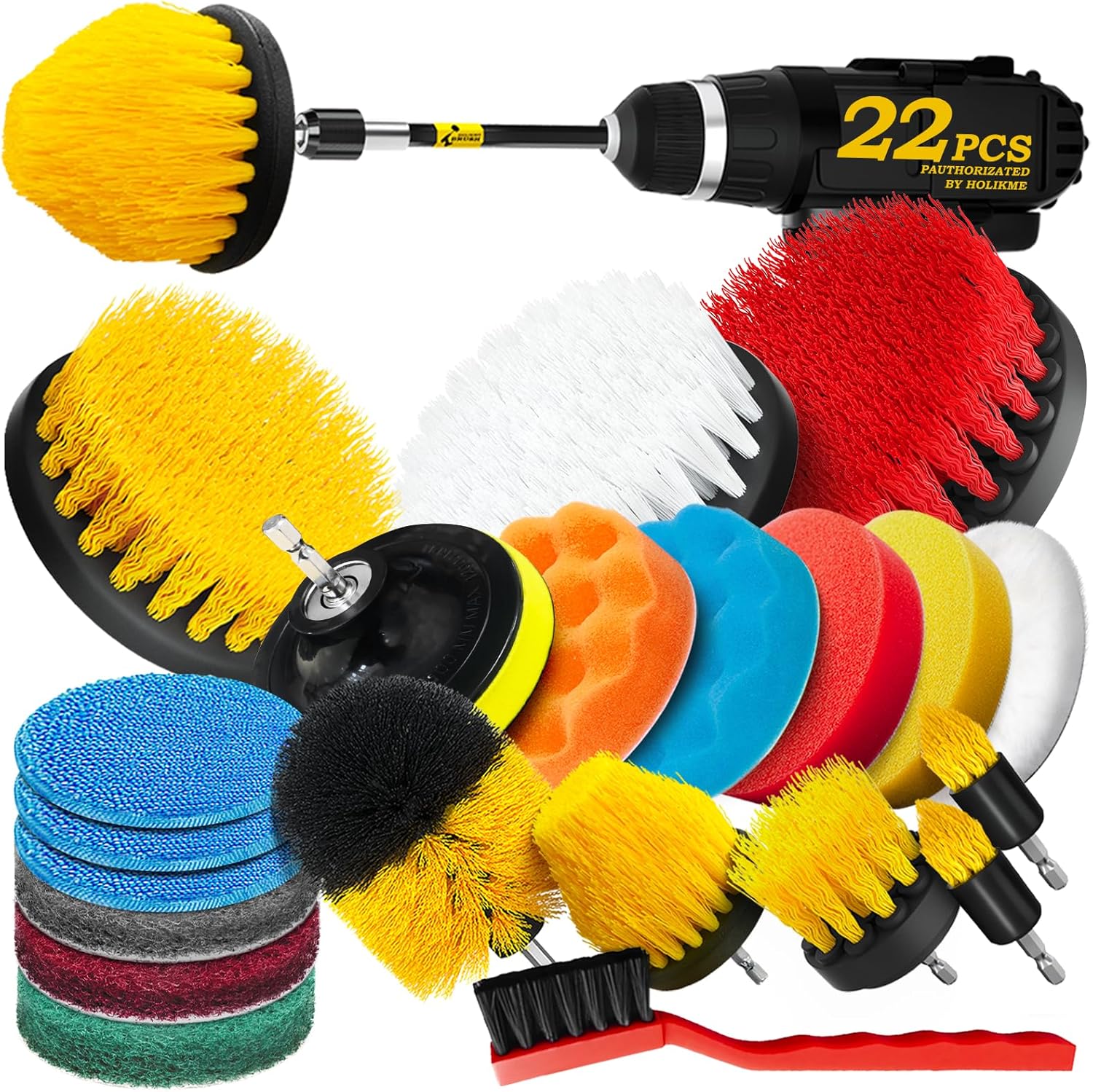
Save Your Elbow Grease. Why scrub by hand? These brushes attach to your cordless drill. Use the nylon bristles for tile and grout, horsehair for delicate surfaces, and brass for tough deposits. Ideal if you are cleaning a large walk-in shower.
Speed Settings Guide:
200-400 RPM for delicate surfaces
600-800 RPM for general cleaning
1000-1200 RPM for heavy deposits (with caution)
Always keep brush moving to prevent concentrated wear
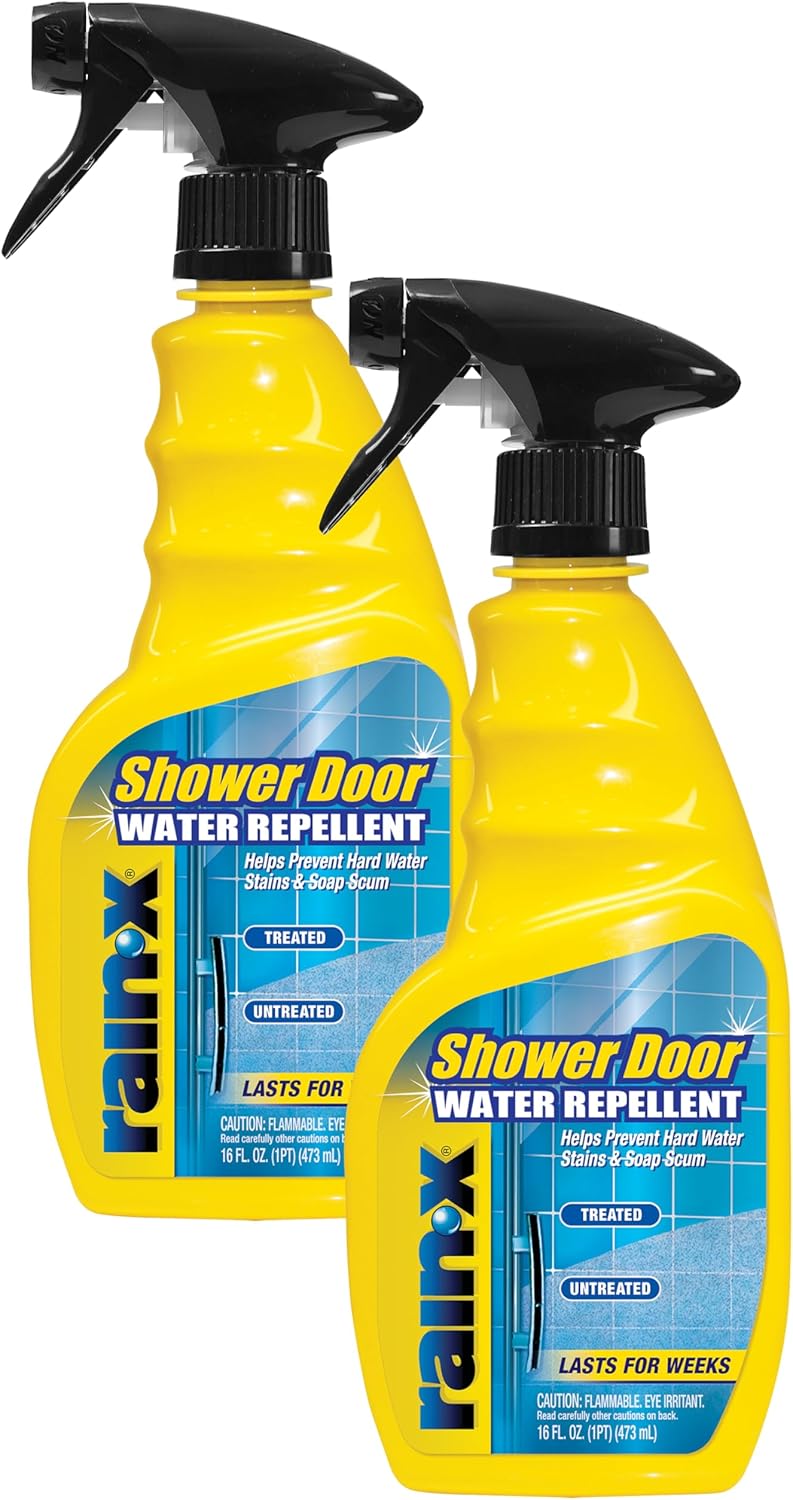
The Prevention Hero. Once you get the glass clean, keep it clean. This creates a hydrophobic coating that makes water bead up and roll off, preventing new stains from forming. Lasts 2-3 weeks with proper application.
Professional Application Method:
Clean glass THOROUGHLY first (any residue affects bonding)
For Etched Glass Restoration. When minerals have actually etched into the glass surface, these diamond-impregnated pads (800-3000 grit) can polish out the damage. Requires drill attachment and water lubrication.
Warning: For advanced users only. Incorrect use can permanently damage glass.
For Large Area Application. This 1-gallon pressurized sprayer allows consistent application of cleaning solutions to large shower areas. Adjustable nozzle for mist, stream, or foam patterns.
Benefit: Saves time on large showers, ensures even coverage, reduces chemical waste by 40-60% compared to spray bottles.
Prevent Hidden Damage. Hard water stains often indicate water penetration behind tiles or into walls. This non-invasive meter detects moisture content in walls, helping prevent mold and structural damage before it becomes visible.
Critical for: Older homes, rental properties, and showers with suspected leaks.
Not all surfaces are created equal. Using the wrong acid on natural stone can ruin it permanently. This expanded section covers virtually every shower surface material with specific protocols.
Glass Doors (All Types)
Identification: Clear, frosted, textured, tempered, or laminated glass.
Safe Methods:
Vinegar solutions (up to 50%)
Commercial glass cleaners
Razor blades (single-edge, held at 45° angle)
Bio-Clean or similar polishing creams
Diamond polishing (for etching repair)
Never Use: Steel wool, green Scotch-Brite pads, undiluted hydrochloric acid.
Pro Tip: For textured glass, use softer brushes and longer dwell times. If you are tired of cleaning glass, consider switching to shower curtains which can be thrown in the washing machine.
Natural Stone (Critical Distinctions)
STOP! Do NOT use vinegar or lemon juice on most stone. The acid will “etch” the stone, leaving a permanent dull spot.
Stone Type
Safe Cleaners
pH Range
Special Notes
Marble
Stone soap only, pH 7-8
5.5-6.5 (acid sensitive)
Most vulnerable to etching
Granite
Stone cleaners, mild dish soap
6-8 (moderate resistance)
Seal every 1-2 years
Travertine
Neutral stone cleaners only
6-7 (very porous)
Fill holes regularly
Slate
Mild acid okay if sealed
5-8 (varies by type)
Check sealant annually
Limestone
Neutral cleaners only
6-7 (very soft)
Highly absorbent
Use a pH-neutral cleaner specifically designed for stone. If you have a steam shower lined with stone, be extra careful as the heat opens the pores of the stone, making it more vulnerable.
Acrylic and Fiberglass
Common in tub inserts and prefab shower units. These surfaces scratch easily but are chemical-resistant.
Safe Cleaning Protocol:
Use only soft microfiber cloths or white Scotch-Brite pads (least abrasive)
Diluted vinegar okay (max 25%) but rinse immediately
Baking soda paste with gentle circular motion
Commercial tub & tile cleaners labeled safe for acrylic
Pro Tip: Seal grout annually. Unsealed grout absorbs water and minerals like a sponge.
Metal Fixtures (Detailed Guide)
Different metal finishes require different care:
Metal Finish
Safe Cleaners
Unsafe Cleaners
Maintenance
Chrome
Vinegar, CLR, metal polish
Abrasive powders, steel wool
Dry after each use
Brushed Nickel
Mild soap, specialized cleaners
Abrasive anything, acidic cleaners
Wipe with grain
Oil-Rubbed Bronze
Mild soap only, dry immediately
Acids, abrasives, most chemicals
Re-oil occasionally
Stainless Steel
Vinegar, Barkeeper’s Friend
Chlorine bleach, steel wool
Polish with grain
Brass
Lemon juice + salt, commercial brass cleaners
Ammonia-based cleaners
Lacquer to prevent tarnishing
Solid Surface (Corian, etc.)
Engineered stone/composite materials have specific requirements:
Safe Methods:
Mild abrasive cleansers (Soft Scrub type)
Baking soda paste
Diluted ammonia (1:10 with water)
Commercial solid surface cleaners
Never Use: Scouring powders, undiluted acids, abrasive pads, razor blades.
Stain Removal: For deep stains, make baking soda paste, cover with plastic wrap, leave 24 hours. The paste draws out stains through osmotic pressure.
Advanced Professional Restoration Techniques
Mechanical Removal Methods
1. Pumice Stone Method
For extreme calcium buildup on porcelain toilets and some tile. Use natural pumice stone kept WET at all times. Gentle abrasive action removes deposits without scratching porcelain. Test first on inconspicuous area.
2. Steam Cleaning
Commercial steam cleaners (300°F/150°C+) can dissolve and blast away mineral deposits without chemicals. Particularly effective on grout and textured surfaces. Rental units available at hardware stores.
3. Acid Washing (Professional Only)
For commercial settings or extreme cases. Uses muriatic (hydrochloric) acid diluted 1:10. Requires full PPE (respirator, gloves, goggles, apron) and professional training. NEVER attempt without proper training.
4. Glass Polishing/Restoration
For etched glass: Use cerium oxide powder with felt polishing pad on slow-speed rotary tool. Restores optical clarity but removes minute amount of glass. Professional service costs $15-30/sq ft.
Chemical Enhancement Techniques
Technique
Mechanism
Best For
Risk Level
Professional Cost Equivalent
Chelation
Molecules bind to metal ions and solubilize them
Iron, magnesium, combination stains
Low (most chelators are mild)
$150-300 per bathroom
Sequestering
Prevents minerals from depositing while in solution
Prevention during cleaning
Very Low
Included in premium cleaners
Redox (Reduction-Oxidation)
Changes oxidation state of metal ions
Iron (rust) stains specifically
Medium (strong chemicals involved)
$75-150 for rust treatment
Surfactant Enhancement
Reduces surface tension for better penetration
All cleaning, especially porous surfaces
Very Low
Standard in professional mixes
pH Adjustment
Neutralizes alkaline deposits with acid
Calcium carbonate primarily
Medium (acid handling)
$50-100 for acid wash
Phase 4: Advanced Prevention Systems
The best way to clean hard water stains is to never let them form. Here is your comprehensive daily maintenance routine and long-term prevention strategies.
💡
Lifestyle Integration Tip: Incorporate cleaning into your routine. Whether you are wondering if you should shave before or after a shower, take 30 seconds after you are done to rinse the walls and squeegee the glass. Future-you will thank you. Consider setting a timer for 2 minutes post-shower for cleanup—it becomes habitual within 21 days.
Barrier Protection. Hydrophobic coatings that prevent water from adhering to surfaces.
Cost: $10-$50 per application
Maintenance: Reapply every 1-3 months
Effectiveness: 85-95% for treated areas only
Considerations: Doesn’t reduce overall minerals, must reapply regularly, some change surface feel.
Regional Considerations
Water hardness varies dramatically across regions, affecting your approach:
Region (U.S.)
Typical Hardness
Primary Minerals
Recommended Approach
Special Considerations
Southwest (AZ, NV, NM)
Very Hard (15-25+ gpg)
Calcium, Magnesium, Silica
Whole-house softener mandatory
Silica stains require specialized removers
Midwest (IN, IL, OH)
Hard (10-15 gpg)
Calcium, Iron
Softener recommended, iron-specific treatments
Rust stains common, use citric acid or CLR
Northeast (NY, MA, CT)
Moderately Hard (5-10 gpg)
Calcium, Manganese
Point-of-use filters, regular maintenance
Black manganese stains possible
Northwest (WA, OR)
Soft to Moderate (0-7 gpg)
Low minerals generally
Maintenance cleaning sufficient
Soap scum more problematic than minerals
Florida
Very Hard (15-20 gpg)
Calcium, Magnesium, Sulfur
Softener + acid cleaning regimen
Sulfur can create yellow stains
Commercial/Rental Property Considerations
For landlords, property managers, or those with vacation rentals:
🏢
Property Management Protocol: Hard water stains are a leading cause of security deposit disputes. Implement a clear cleaning protocol in your rental agreement and provide tenants with appropriate tools (squeegee, spray bottle with premixed cleaner, instructions).
Aspect
Residential DIY
Rental Property
Commercial (Hotel/Gym)
Cleaning Frequency
Weekly to monthly
Between tenants + quarterly inspection
Daily to weekly
Chemical Selection
Varied, based on preference
Standardized, tenant-safe formulas
Commercial-grade, efficient
Tool Investment
Personal choice
Durable, simple, provided to tenants
Professional equipment
Prevention Focus
Personal habit formation
Clear instructions + provided tools
Automated systems + staff training
Cost per Clean
$0.50-$2.00 (materials)
$5-$20 (materials + labor)
$10-$50 (professional service)
Comprehensive Frequently Asked Questions
Can I use a dryer sheet to clean shower doors?
Surprisingly, yes! Wet a used dryer sheet and scrub the glass. The anti-static ingredients help soften the minerals and lift soap scum. It works well for light maintenance. Scientific explanation: Dryer sheets contain cationic surfactants that neutralize the charge on mineral particles, helping them release from surfaces. They also leave a microscopic wax coating that provides temporary water repellency.
Advanced technique: Soak dryer sheets in vinegar overnight, then use as scrubbers. The vinegar dissolves minerals while the sheet provides gentle abrasion.
Why does my shower head keep clogging?
Hard water builds up inside the tiny nozzles. You can unscrew the head and soak it in vinegar. If it’s too far gone, check our guide on how to install a new rainfall shower head for a fresh start.
Prevention protocol:
Monthly vinegar soak (1:1 vinegar:water for 1 hour)
Install in-line shower filter ($20-$50)
Use shower head with self-cleaning silicone nozzles
Regularly remove and clean flow restrictor (often the clog point)
For severe cases: Use descaling pump that circulates descaling solution through the pipes overnight. Professional service costs $75-$150.
Is WD-40 good for shower glass?
It can remove stains, but we don’t recommend it. It leaves an oily residue that attracts dirt and, more importantly, makes the shower floor incredibly slippery and dangerous.
Scientific analysis: WD-40 contains petroleum distillates that can dissolve some mineral deposits, but:
Creates hydrophobic surface that repels water temporarily
Petroleum residues break down rubber seals over time
Can damage certain plastics and acrylics
Environmental concerns with washing into waterways
Fire hazard if near water heater pilot light
Safer alternatives: Use dedicated glass protectors (Rain-X Shower Door coating) or car wax (carnauba-based) if you want water-repellent properties without petroleum residues.
How often should I deep clean my shower?
If you squeegee daily, you only need to deep clean once a month. If you are hosting an event, like a bridal shower, do it a few days in advance so the vinegar smell has time to dissipate.
Comprehensive cleaning schedule:
Daily: Squeegee, wipe fixtures
Weekly: Spray cleaner, light scrub
Monthly: Full cleaning with chosen method
Quarterly: Grout cleaning, sealant check
Annually: Professional assessment, possible restoration
Seasonal considerations: Clean more frequently in summer (higher humidity) and before/after house guests.
Can hard water stains be permanent?
Yes, in some cases. When minerals etch into surfaces (particularly glass and natural stone), they can cause permanent damage. Etching appears as cloudy, rough areas that don’t clean off.
Permanent damage scenarios:
Glass etching: Minerals react with glass at molecular level
Stone etching: Acidic cleaners damage calcium-based stone
Metal pitting: Minerals create electrolytic corrosion cells
Plastic crazing: Mineral deposits create microscopic cracks
Restoration options for etching:
Glass: Diamond polishing (professional)
Stone: Professional resurfacing
Metal: Re-plating or replacement
Plastic: Often requires replacement
Do water softeners solve all hard water problems?
Mostly, but not completely. Water softeners exchange calcium and magnesium ions for sodium or potassium ions, preventing scale formation. However:
Limitations:
Don’t remove silica (common in Southwest US)
Don’t remove iron if present in high concentrations
Add sodium to water (concern for some diets)
Require regular maintenance and salt
Don’t address existing stains (must be removed first)
Complementary systems: For complete water treatment, softeners are often paired with:
Carbon filters (remove chlorine, improve taste)
Sediment filters (remove particles)
Reverse osmosis (for drinking water purification)
Iron filters (for high-iron areas)
Are there health concerns with hard water?
Generally, hard water is not a health risk and may provide beneficial minerals. However:
Potential concerns:
Skin irritation: Minerals can disrupt skin’s natural barrier
Hair damage: Mineral buildup makes hair dull, brittle
Soap inefficiency: Requires more soap, leaving residue
Pipe corrosion: Can leach lead or copper from old pipes
Appliance damage: Reduces efficiency, increases energy costs
Benefits of hard water:
Provides dietary calcium and magnesium
May reduce cardiovascular disease risk (studies inconclusive)
Tastes better to many people than soft water
Medical considerations: Those with eczema or psoriasis may benefit from soft water. Consult dermatologist for personalized advice.
What’s the environmental impact of water softeners?
Traditional salt-based water softeners have environmental considerations:
Concerns:
Salt discharge into wastewater systems
Increased sodium in groundwater
Water waste during regeneration cycles (20-50 gallons)
Energy use for electronic components
Plastic resin beads eventual disposal
Eco-friendly alternatives:
Template-assisted crystallization (TAC): No salt, no wastewater
Electronic/magnetic conditioners: No chemicals, low energy
Dual-tank softeners: More efficient, less salt waste
Regulations: Some municipalities restrict or ban salt-based softeners due to environmental impact. Check local regulations before installing.
Comprehensive Conclusion and Maintenance Plan
Removing hard water stains is a battle of persistence and chemistry. By understanding that you need an acid to dissolve the alkaline minerals, you can restore your bathroom’s sparkle. Start with vinegar, graduate to Bio-Clean if needed, and commit to the daily squeegee routine.
Consider permanent water treatment solution if hardness >7 gpg
Budget for surface restoration if etching has occurred
Plan for fixture replacement if damaged beyond repair
Evaluate whole-house approach during renovation opportunities
Share knowledge with household members for consistent maintenance
A clean shower not only looks better but functions better, preventing issues like clogged drains and leaking faucets caused by mineral corrosion. Now, go enjoy your crystal-clear view!
📚
Resource Archive: Bookmark this comprehensive guide for future reference. Consider printing the surface-specific protocols and maintenance schedules for quick reference. Share successful techniques in the comments below or on social media using #HardWaterSolutions to help others facing similar challenges. For ongoing education, subscribe to water quality reports from your local utility and stay informed about changes that may affect your maintenance approach.
Disclaimer: As an Amazon Associate, ShowerBlog earns from qualifying purchases. Always test cleaning products on a small inconspicuous area first. This guide is for informational purposes only and does not constitute professional advice. Severe damage, health concerns, or uncertain situations should be addressed by qualified professionals. Always follow manufacturer instructions for your specific surfaces and fixtures. Chemical handling requires appropriate safety precautions.