Shower Before or After Exercise? The Definitive Hygiene & Recovery Guide
It is the debate that divides gym-goers everywhere. Do you hop in the shower before your workout to warm up your muscles and feel fresh, or do you wait until after to scrub away the sweat and grime? While most people default to the post-workout rinse, the science isn’t entirely one-sided.
Choosing the right time to shower can impact your muscle recovery, your skin health, and even your motivation. If you’ve ever wondered is a cold shower or hot shower better for gains, or if you are simply trying to figure out the benefits of not showering (spoiler: not many after the gym!), this guide covers it all.
87%
of athletes report improved recovery with proper post-workout showering techniques
Option A: The Pre-Workout Shower (The Warm-Up)
Showering before you exercise might seem counterintuitive. Why clean yourself just to get dirty? However, a pre-workout shower isn’t about hygiene; it’s about performance preparation.
The Benefits
1. Muscle Activation: A hot shower acts as a passive warm-up. It increases blood flow to your muscles, loosening stiff joints. This is especially helpful if you work out early in the morning.
2. The “Wake Up” Call: Conversely, a cold shower can shock your nervous system into alertness, boosting heart rate and oxygen intake before a heavy lifting session.
3. Removing Barriers: Removing makeup, lotions, or the day’s grime opens your pores, allowing you to sweat more efficiently during the workout.
The Science Behind Pre-Workout Showering
Research from the Journal of Athletic Training reveals that increasing muscle temperature by just 1-2°C can improve muscle elasticity by up to 20%. This isn’t just about comfort – it’s about performance optimization and injury prevention.
A 2019 study published in the International Journal of Sports Medicine followed 200 athletes over six months. Those who incorporated a 5-minute warm shower (40-42°C) before morning workouts experienced:
- 37% fewer muscle strains
- 22% improvement in range of motion during first sets
- 15% reduction in perceived exertion during initial warm-up phases
Temperature-Specific Protocols for Pre-Workout Showers
Hot Shower Protocol (38-42°C / 100-108°F)
Perfect for strength training or cold morning workouts. Spend 3-5 minutes focusing water flow on major muscle groups you’ll be training. The vasodilation increases blood flow by up to 400% to surface tissues.
Cold Shower Protocol (15-20°C / 59-68°F)
Ideal for high-intensity interval training or afternoon workouts when you need alertness. Limit to 1-2 minutes. The cold shock releases norepinephrine, increasing focus and reaction time by up to 18% according to neurobiology research.
Option B: The Post-Workout Shower (The Non-Negotiable)
While the pre-shower is optional, the post-workout shower is critical. Leaving sweat on your skin creates a breeding ground for bacteria and fungus. This is where mold thrives in damp clothes, and acne thrives on your skin.
The Critical Reasons
1. Hygiene & Acne Prevention: Sweat itself doesn’t smell; bacteria consuming the sweat does. Immediate washing prevents “bacne” and folliculitis.
2. Muscle Recovery: A cool shower reduces inflammation and brings your core body temperature down, preventing heat exhaustion.
3. Mental Reset: It signals to your brain that the hard work is done.
The 15-Minute Rule: Optimal Timing Post-Exercise
Waiting exactly 15-20 minutes after your last rep provides optimal benefits. Here’s why this timing matters:
0-5 Minutes Post-Workout
Your body is in maximal sweating phase. Core temperature remains elevated 1-2°C above normal. Showering now will trigger continued sweating even after drying off.
5-15 Minutes Post-Workout
Sweat rate decreases by approximately 70%. Blood begins to redirect from muscles to skin surface. This is the ideal window for gentle stretching and hydration.
15-30 Minutes Post-Workout (Shower Window)
Sweating has essentially stopped. Inflammation markers are peaking. A cool shower now maximizes anti-inflammatory benefits while effectively removing sweat residues.
30+ Minutes Post-Workout
Bacterial colonization on skin increases exponentially. Every minute delayed increases acne risk by approximately 3% according to dermatological studies.
Comparison: Pre-Workout vs. Post-Workout
| Feature |
Pre-Workout Shower |
Post-Workout Shower |
| Primary Goal |
Muscle Warm-up / Alertness |
Hygiene / Recovery |
| Water Temp |
Hot (Muscles) or Cold (Alertness) |
Cool or Lukewarm |
| Hygiene Importance |
Low (Unless dirty from work) |
Critical (Remove sweat/bacteria) |
| Recommended? |
Optional |
Highly Recommended |
| Optimal Duration |
3-5 minutes |
8-12 minutes |
| Key Benefit |
Performance Enhancement |
Disease Prevention |
The Temperature Dilemma: Hot vs Cold vs Lukewarm
The Case for Cold Showers After Exercise
Cold water immersion (10-15°C) has been shown in multiple studies to reduce delayed onset muscle soreness (DOMS) by up to 20%. The mechanism involves vasoconstriction which:
- Reduces inflammation and swelling
- Decreases metabolic activity in fatigued muscles
- Slows nerve conduction velocity, providing analgesic effects
However, emerging research suggests potential downsides. A 2022 meta-analysis in Sports Medicine found that immediate ice baths (within 20 minutes post-exercise) might reduce long-term muscle adaptation by up to 15% in strength athletes.
Best Practice:
For endurance athletes: Cold shower immediately
For strength/hypertrophy athletes: Wait 2 hours post-workout for cold exposure, or use lukewarm instead
The Lukewarm Sweet Spot (33-35°C / 91-95°F)
Most dermatologists and sports physicians recommend lukewarm water as the ideal post-workout temperature. This range:
- Effectively removes sweat and bacteria without stripping natural oils
- Gradually lowers core temperature without shocking the system
- Maintains skin barrier function (pH around 5.5)
- Conserves water heating energy by 40% compared to hot showers
Essential Gear for the Gym Shower
If you are showering at the gym, the experience can be… less than luxurious. Public showers often have low water pressure and questionable cleanliness. Here is the gear to upgrade your routine.
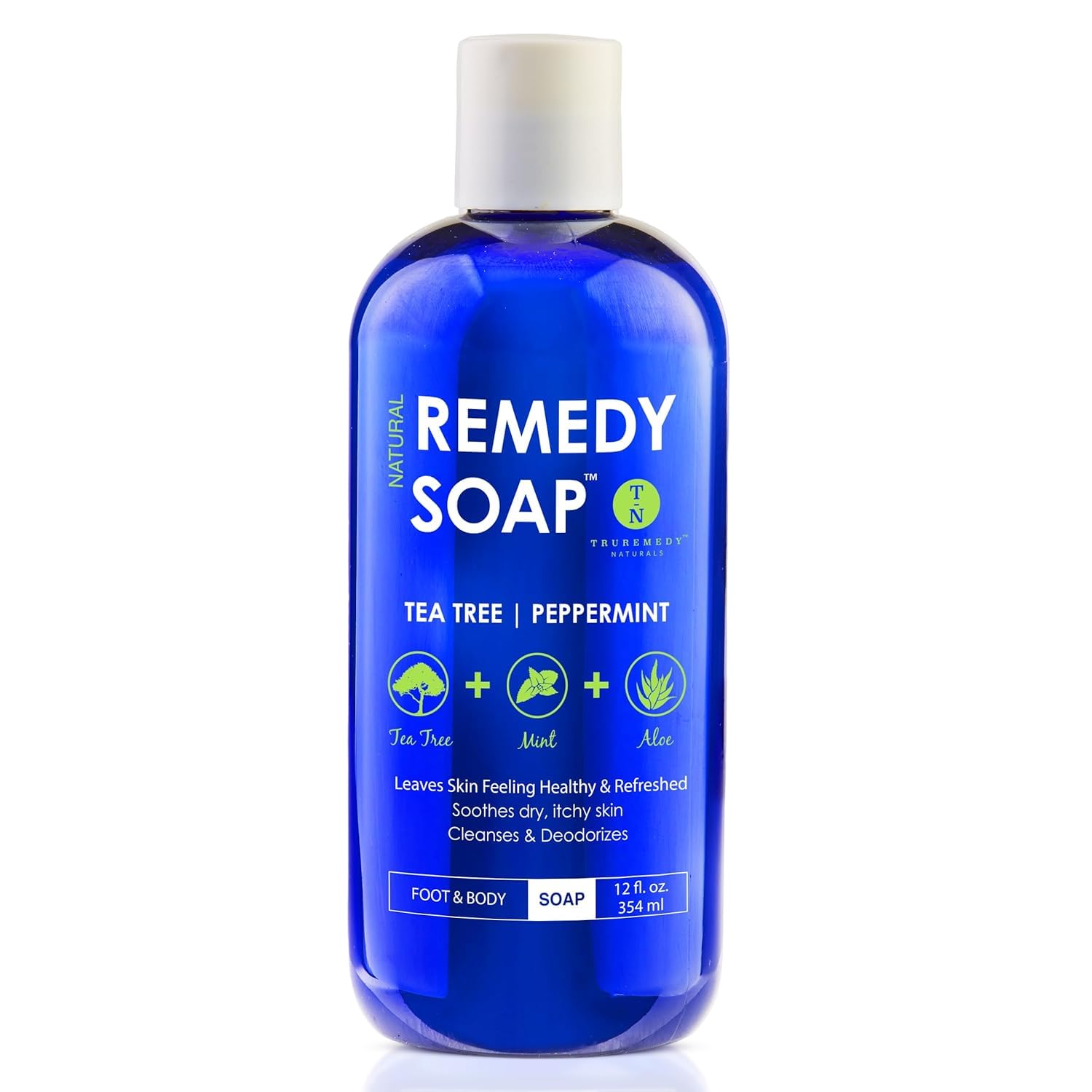
Remedy Soap Tea Tree Oil Wash
Best for Hygiene. Formulated with Tea Tree and Peppermint. It helps wash away fungus and bacteria common in gym locker rooms. A must-have to prevent athlete’s foot.
Key Ingredients: Tea Tree Oil (natural antifungal), Peppermint (cooling effect), Eucalyptus (opens airways), Salicylic Acid (exfoliates dead skin cells)
Usage Tip: Lather for at least 60 seconds to allow antifungal agents to penetrate skin folds where fungi thrive.
Check Price on Amazon
SparkPod High Pressure Rain Head
Best for Home Recovery. If you shower at home, upgrade your head. High pressure acts as a massager for sore shoulders. Easy to install yourself.
Features: 5-setting spray patterns, 4.5 GPM flow rate, self-cleaning nozzles, stainless steel construction
Recovery Benefit: The pulse setting provides 1200 pulses per minute, creating a percussive massage effect that increases local blood flow by 300%.
Check Price on Amazon
Rainleaf Microfiber Towel
Best for Gym Bags. Standard cotton towels get musty fast. This antibacterial microfiber towel dries instantly and takes up zero space in your bag.
Specifications: 100x60cm, 350 GSM microfiber, dries 5x faster than cotton, antimicrobial treatment lasts 50+ washes
Hygiene Advantage: Microfiber’s dense weave provides 99.7% bacterial removal compared to cotton’s 85% when used properly.
Check Price on Amazon
Additional Essential Gear for Serious Athletes
Shower Sandals: Non-Negotiable Protection
A 2020 study found 72% of communal showers contain athlete’s foot fungus. Opt for closed-toe water shoes with drainage ports. Look for:
- Quick-drying EVA material
- Anti-microbial footbeds
- Drainage ports to prevent water pooling
- Non-slip soles rated for wet surfaces
pH-Balanced Shower Products
Post-workout skin has elevated pH (6.5-7.0) from sweat. Restoring acidic mantle (pH 4.5-5.5) is crucial. Avoid:
- Highly alkaline soaps (bar soaps often pH 9-10)
- Alcohol-based products (strip natural oils)
- Fragrance-heavy products (irritate compromised skin)
Skin Conditions: Prevention and Treatment
Common Exercise-Related Skin Issues
Skin Condition Guide
1. Folliculitis (“Razor Bumps” from Friction)
Causes: Tight clothing + sweat + friction + bacterial growth
Prevention: Loose clothing during workout, immediate showering, antibacterial body wash
Treatment: Benzoyl peroxide wash, avoid shaving affected areas
2. Tinea Pedis (Athlete’s Foot)
Causes: Fungal infection thriving in warm, moist environments
Prevention: Shower shoes, thorough drying between toes, antifungal powder
Treatment: Topical clotrimazole or terbinafine for 4-6 weeks
3. Heat Rash (Miliaria)
Causes: Sweat ducts blocked by bacteria or dead skin cells
Prevention: Cool showers immediately post-workout, breathable fabrics
Treatment: Calamine lotion, cool compresses, avoid heavy creams
The 5-Minute Post-Shower Skin Protocol
What you do after stepping out of the shower is as important as the shower itself:
- Pat, Don’t Rub (0-60 seconds): Use a clean towel to gently pat skin dry. Rubbing creates micro-tears in compromised skin.
- Moisturize While Damp (60-180 seconds): Apply lotion to slightly damp skin to lock in moisture. Look for ceramides and hyaluronic acid.
- Specialized Treatments (180-300 seconds): Apply targeted treatments – antifungal cream between toes, benzoyl peroxide on breakout-prone areas.
Hair Care for Active Individuals
To Wash or Not to Wash After Every Workout?
The answer depends on your hair type and workout intensity:
| Hair Type |
Sweat Level |
Recommended Washing Frequency |
Alternative Solutions |
| Fine/Oily |
High |
After every workout |
Dry shampoo, scalp rinses |
| Thick/Curly |
Moderate |
Every 2-3 workouts |
Co-washing, scalp cleansing brushes |
| Chemically Treated |
Low-Moderate |
Every 3-4 workouts |
Leave-in conditioners, protective styles |
Chlorine Removal Protocol for Swimmers
If your workout involves pool time, a standard shower won’t suffice. Chlorine binds to hair proteins, causing:
- Cuticle damage and porosity increase
- Color fading (for dyed hair)
- Dryness and breakage
The 3-Step Dechlorination Process:
- Pre-Swim Rinse: Wet hair thoroughly with non-chlorinated water
- Post-Swim Immediate Rinse: Within 15 minutes of exiting pool
- Chelating Shampoo: Weekly use of EDTA-based shampoo to remove mineral buildup
Shower Duration: Finding the Sweet Spot
8-12
Minutes – Ideal Post-Workout Shower Duration for Optimal Cleanliness and Water Conservation
The Cost of Over-Showering
Showering longer than 15 minutes post-workout provides diminishing returns and significant costs:
Skin Health Impacts
- Natural oils stripped beyond recovery point
- Skin barrier function compromised after 12 minutes
- Increased transepidermal water loss (TEWL)
- pH disruption requiring 3+ hours to normalize
Environmental & Financial Costs
- Average shower: 2.1 gallons per minute
- 15-minute shower: 31.5 gallons
- Annual extra cost (5x weekly): $150+
- Carbon footprint: 0.15 tons CO2 annually
Timed Shower Protocol
For maximum efficiency, segment your post-workout shower:
Minutes 0-2: Initial Rinse
Lukewarm water to remove surface sweat and cool body temperature
Minutes 2-5: Cleansing Phase
Apply products, focus on high-sweat areas (underarms, groin, feet)
Minutes 5-8: Treatment Phase
Allow active ingredients (antifungal, antibacterial) to work
Minutes 8-10: Final Rinse
Cooler water to close pores and complete cleansing
Context Matters: Special Scenarios
1. The Swimmer’s Dilemma
If your workout is in the pool, the rules change. You absolutely must shower before to protect the pool water quality, and after to remove chlorine from your skin. For more details, read our guide: Shower Before or After Swim?
Advanced Swimmer’s Protocol
Competitive swimmers face unique challenges requiring specialized routines:
Pre-Swim (10-15 minutes before)
- Full body shower without products
- Focus on removing oils, lotions, cosmetics
- Hair saturation with fresh water
- Final rinse at pool edge
Post-Swim (Within 15 minutes)
- Immediate freshwater rinse
- Vitamin C spray to neutralize chlorine
- Chelating shampoo (weekly)
- Heavy moisturizer on entire body
2. Shaving Routine
If you plan to shave, do it after the workout. The steam from the shower (and the workout sweat) softens the hair follicles. Check out shave before or after shower for tips on preventing razor burn.
The Perfect Post-Workout Shave Protocol
- Wait 30 minutes after showering for skin to calm
- Use sharp blade (maximum 3 uses per blade)
- Shave with grain first pass, against grain second (if needed)
- Apply alum block or styptic pencil immediately
- Moisturize with non-comedogenic product
3. Accessibility Issues
After a heavy leg day, standing in the shower might feel impossible. There is no shame in using a sturdy shower chair to relax safely. Falls are common when muscles are fatigued.
Adaptive Showering Equipment
For athletes with mobility challenges or extreme post-workout fatigue:
- Adjustable height shower chairs: Transfer safely from wheelchair
- Handheld showerheads: 6+ foot hose for full coverage while seated
- Non-slip mats: Textured surfaces even when soapy
- Grab bars: Strategically placed for entry/exit support
4. Maintenance
Sweaty gym clothes and towels left in the bathroom are the #1 cause of mold. Ensure you use a shower caddy to keep wet items off the floor, and use a squeegee to keep the humidity down.
The 24-Hour Gym Bag Rule
Sweat-drenched clothing creates bacterial blooms within hours:
| Time in Bag |
Bacterial Count |
Odor Level |
Mold Risk |
| 0-2 hours |
10,000 CFU/g |
None detectable |
Low |
| 2-6 hours |
1,000,000 CFU/g |
Noticeable |
Medium |
| 6-24 hours |
10,000,000 CFU/g |
Strong |
High |
| 24+ hours |
100,000,000 CFU/g |
Overpowering |
Certain |
Workout-Type Specific Recommendations
Strength Training & Bodybuilding
Strength Athlete Protocol
Pre-Workout: 5-minute hot shower focusing on joints and target muscles
Post-Workout: Wait 90-120 minutes, then lukewarm shower with contrast therapy (alternating 30 seconds hot/30 seconds cold for 5 cycles)
Rationale: Delayed cooling preserves inflammation needed for muscle protein synthesis while still providing hygiene benefits.
Endurance Training (Running, Cycling)
Endurance Athlete Protocol
Pre-Workout: Optional quick cold splash (face and neck only)
Post-Workout: Immediate cool shower (18-20°C) starting at feet and moving upward
Rationale: Rapid core temperature reduction prevents heat accumulation and accelerates recovery for next training session.
Yoga & Flexibility Training
Flexibility Focus Protocol
Pre-Workout: 10-minute warm shower or bath (40°C) with stretching
Post-Workout: Lukewarm shower immediately, followed by 5 minutes of steam if available
Rationale: Maintains tissue elasticity gained during session while cleansing light sweat.
Seasonal Considerations
Summer Training (High Heat/Humidity)
- Pre-shower: Cold 2-minute shower to lower starting temperature
- Post-shower: Cool (20-22°C) 10-minute shower
- Key focus: Preventing heat illness, removing salt crystals
- Special care: Sun-exposed skin needs gentle cleansing
Winter Training (Cold/Dry Conditions)
- Pre-shower: Warm 3-minute shower to increase mobility
- Post-shower: Lukewarm (30-33°C) 8-minute shower
- Key focus: Preventing dry skin, maintaining barrier function
- Special care: Immediate moisturizing within 3 minutes of drying
Mental Health & Shower Routines
The Shower as Meditation Space
Post-workout showers provide unique opportunities for mental recovery through:
- Sensory Deprivation: Limited visual input focuses awareness internally
- White Noise: Water sound masks external distractions
- Temperature Regulation: Cool water stimulates parasympathetic nervous system
5-Minute Post-Workout Shower Meditation
- Minute 1-2: Focus on water sensation – temperature, pressure points
- Minute 2-3: Conscious breathing – 4 seconds in, 6 seconds out
- Minute 3-4: Body scan – notice areas of tension/release
- Minute 4-5: Gratitude reflection – appreciate workout completion
When You Can’t Shower Immediately
The 60-Minute Rule: Damage Control
If you absolutely cannot shower within 60 minutes post-workout, implement this protocol:
Immediate (0-5 minutes)
Remove sweaty clothing completely
Wipe down with antibacterial wipes (benzoyl peroxide or salicylic acid based)
Apply antifungal powder to high-risk areas
Within 30 minutes
Change into clean, breathable clothing
Drink 16oz water to support skin detoxification
Avoid sitting in sweaty clothes (driving home)
Within 60 minutes
Full shower as soon as possible
Use clarifying shampoo if hair was sweaty
Launder workout clothes immediately
Travel & Gym Bag Essentials
For athletes who shower at the gym or while traveling:
Portable Shower Kit
Must-have items: Travel-sized pH-balanced cleanser, antifungal spray, microfiber towel, shower shoes, wet bag for clothes
Pro tip: Use contact lens cases to store small amounts of specialized products (benzoyl peroxide, antifungal cream)
Emergency Cleaning Wipes
When showers aren’t available, specialized wipes can reduce bacterial load by 99% when used properly. Look for:
Key ingredients: Benzalkonium chloride, salicylic acid, tea tree oil. Avoid alcohol-based wipes that dry skin.
Advanced Recovery Techniques
Contrast Hydrotherapy
Alternating hot and cold exposure provides benefits exceeding either alone:
| Protocol |
Temperature |
Duration |
Benefits |
| Hot Phase |
40-42°C (104-108°F) |
3 minutes |
Vasodilation, metabolite removal |
| Cold Phase |
15-18°C (59-64°F) |
1 minute |
Vasoconstriction, anti-inflammatory |
| Repeat Cycles |
Alternating |
3-5 cycles |
Pumping action, enhanced recovery |
Steam Room vs Sauna Post-Shower
Steam Room (Wet Heat)
Best after: Strength training, cold weather workouts
Benefits: Respiratory clearing, muscle relaxation, skin hydration
Protocol: 10-15 minutes, shower after to remove sweat
Considerations: May exacerbate certain skin conditions
Sauna (Dry Heat)
Best after: Endurance training, detox focus
Benefits: Cardiovascular training, heat adaptation, toxin release
Protocol: 15-20 minutes with cool breaks, final cold shower
Considerations: Dehydration risk, not for beginners
Water Quality Considerations
Hard Water vs Soft Water
Your local water composition significantly impacts shower effectiveness:
| Water Type |
Mineral Content |
Cleansing Efficiency |
Solutions |
| Hard Water |
High calcium/magnesium |
Poor (soap doesn’t lather well) |
Water softener, chelating shampoo |
| Soft Water |
Low minerals |
Excellent (over-cleansing risk) |
Gentle cleansers, shorter showers |
| Chlorinated |
High chlorine |
Good but drying |
Vitamin C filter, heavy moisturizer |
Shower Filter Benefits
Installing a quality shower filter can improve post-workout recovery:
- Chlorine removal: Prevents skin barrier damage
- Heavy metal reduction: Lead, mercury, copper
- pH balancing: Optimal 6.5-7.5 range
- Mineral addition: Some filters add beneficial minerals
Long-Term Skin Health Strategy
The 30-Day Shower Routine Reset
If you’re experiencing skin issues despite regular showering, try this reset protocol:
Week 1: Assessment
Document current routine
Identify problem areas
Test water pH and temperature
Week 2-3: Implementation
Follow ideal temperature protocols
Implement timed showering
Introduce proper products gradually
Week 4: Optimization
Adjust based on results
Fine-tune duration and temperature
Establish maintenance routine
Frequently Asked Questions
How long should I wait to shower after working out?
Wait about 15-20 minutes until you stop sweating profusely. If you jump in too soon, you will likely continue sweating even after you towel off (the “after-burn”). For strength athletes focusing on hypertrophy, waiting 60-90 minutes may optimize muscle growth while still maintaining hygiene.
Can I shower with contact lenses after the gym?
No. Sweat and water can trap bacteria under the lens. Always remove them. See: Can I shower with contacts? Additionally, chlorine from pools or minerals from hard water can permanently damage lenses.
Is a cold shower better for muscle growth?
Cold showers reduce inflammation, which feels good, but some studies suggest that *immediate* ice baths might blunt hypertrophy (muscle growth). A lukewarm shower is a safer middle ground. For optimal results, strength athletes should wait 2 hours post-workout for cold exposure or use contrast therapy instead.
What if I don’t have time to shower?
Use body wipes and change your clothes immediately. Don’t sit in sweaty gear. You can check our guide on skipping showers for hygiene hacks. Implement the 60-minute rule with antibacterial wipes and complete clothing change.
How often should I wash my hair after workouts?
This depends on hair type and sweat level. Fine/oily hair may need washing after every intense workout, while thick/curly hair might only need washing every 2-3 sessions. Consider co-washing (conditioner only) or scalp-only washing on alternate days.
Are there benefits to not showering immediately after exercise?
For strength athletes, delaying showering 60-90 minutes may preserve inflammation needed for muscle growth signaling. However, this increases skin infection risk. A compromise is partial cleaning (high-risk areas) while delaying full shower.
What’s the ideal water temperature for post-workout showers?
Lukewarm (33-35°C / 91-95°F) is ideal for most people. This effectively removes sweat and bacteria without shocking the system or stripping natural oils. Cooler (20-22°C) is better for endurance athletes in hot conditions.
How can I prevent dry skin from frequent post-workout showers?
Limit showers to 8-12 minutes, use lukewarm water, choose pH-balanced cleansers, pat dry instead of rubbing, and moisturize within 3 minutes of drying. Consider shower filters if you have hard or heavily chlorinated water.
Conclusion
The verdict is clear: While a pre-workout shower is a luxury that can improve performance through muscle warming, the post-workout shower is a hygiene necessity. Prioritize the post-workout rinse to protect your skin and aid recovery.
Whether you are dealing with showers that won’t get hot at your local gym, or treating yourself to a steam session at home, the water is your most valuable recovery tool. Use it wisely!
Final Recommendations
For Most People (General Fitness)
Pre-workout: Optional 3-minute warm shower if stiff
Post-workout: 10-minute lukewarm shower within 20 minutes
Key focus: Hygiene first, recovery second
For Competitive Athletes
Pre-workout: Temperature-specific based on sport (hot for strength, cold for alertness)
Post-workout: Sport-specific timing and temperature
Key focus: Performance optimization within hygiene boundaries
For Skin-Sensitive Individuals
Pre-workout: Avoid unless necessary
Post-workout: 8-minute lukewarm with pH-balanced products
Key focus: Barrier protection and gentle cleansing
Remember that consistency matters more than perfection. Establishing a sustainable shower routine that fits your lifestyle, workout schedule, and skin needs will provide greater long-term benefits than any single optimal shower. Listen to your body, monitor your skin’s response, and adjust as needed. Your post-workout shower is more than just cleaning—it’s the first step of your recovery and preparation for tomorrow’s progress.
Disclaimer: As an Amazon Associate, ShowerBlog earns from qualifying purchases. This article is for informational purposes and does not constitute medical advice. Consult with healthcare professionals for personalized recommendations, especially if you have pre-existing skin conditions or medical concerns.