The Complete Guide to Showering During Pregnancy: Safety, Science & Comfort
⚕️
Medical Disclaimer: This comprehensive guide synthesizes information from obstetric guidelines, thermoregulation research, and maternal-fetal medicine. It is for educational purposes only and does not constitute medical advice. Every pregnancy is unique. Always consult with your OB-GYN or midwife about your specific situation, especially if you have high-risk conditions like preeclampsia, gestational diabetes, or multiples. If you experience dizziness, rapid heartbeat, cramping, decreased fetal movement, or any concerning symptoms while showering, stop immediately and contact your healthcare provider.
101°F (38.3°C)
Maximum Safe Core Body Temperature During Pregnancy
The warmth of a shower can feel like a sanctuary during pregnancy—a rare moment of relief from back pain, swelling, and the constant physical demands of growing a human. Yet as you reach for the temperature control, a wave of uncertainty washes over you: “How hot is too hot? Am I risking my baby’s development?” This comprehensive 8000+ word guide addresses every aspect of shower safety during pregnancy, from the microscopic risks of hyperthermia to the practical challenges of balancing with a growing bump.
We’ll explore not just temperature guidelines, but trimester-specific protocols, high-risk pregnancy considerations, postpartum recovery bathing, and the psychological benefits of this daily ritual. Whether you’re in your first weeks or preparing for delivery, this evidence-based resource empowers you to make informed decisions for both your comfort and your baby’s safety.
The Essential Verdict
Yes, pregnant women can and should shower—but with specific temperature and time limits. The consensus from obstetric organizations worldwide is to keep water temperature below 100°F (37.8°C) and limit shower duration to 10-15 minutes. Your skin should feel warm but not turn red, and you should never begin to sweat. This guideline is most critical during the first trimester when neural tube development occurs, but remains important throughout pregnancy due to cardiovascular changes and fall risks.
Trimester-Specific Showering Guidelines
First Trimester
Weeks 1-13
Critical Period: Neural tube closure occurs weeks 4-6. Temperature regulation is paramount.
- Temperature: Maximum 98-100°F (36.7-37.8°C)
- Duration: 10 minutes maximum
- Key Risk: Hyperthermia-induced neural tube defects
- Symptoms to Watch: Morning sickness may worsen with heat
Second Trimester
Weeks 14-27
Relative Stability: Organogenesis complete, but cardiovascular stress increases.
- Temperature: 100-102°F (37.8-38.9°C) acceptable with caution
- Duration: 15 minutes maximum
- Key Risk: Orthostatic hypotension and falls
- Comfort Focus: Relief from round ligament pain
Third Trimester
Weeks 28-40+
Physical Challenges: Balance issues, swelling, and preparation for labor.
- Temperature: 100°F (37.8°C) maximum due to increased blood volume
- Duration: 10-12 minutes (fatigue risk)
- Key Risk: Falls and preterm labor concerns
- Special Protocol: Partner-assisted showering recommended
The Science of Hyperthermia & Fetal Development
Understanding why temperature matters requires a dive into maternal physiology and embryonic development:
1
Core vs. Skin Temperature
Your skin can tolerate higher temperatures than your core. When skin temperature reaches 104°F (40°C), core temperature begins rising within 10-15 minutes. Pregnant women have reduced thermoregulatory efficiency due to increased blood volume and metabolic rate.
2
Neural Tube Defect Mechanism
Elevated core temperature (>102°F/39°C) increases heat shock proteins and interferes with folate metabolism. This disrupts proper neural fold closure between days 21-28 post-conception, potentially causing spina bifida or anencephaly.
3
Cardiovascular Stress
Pregnancy increases blood volume by 40-50%. Heat causes vasodilation, pooling blood in extremities and potentially reducing uterine blood flow. This combination can cause dizziness, syncope, and in rare cases, reduced fetal oxygenation.
⚠️ Critical First Trimester Window
Weeks 4-13 are the most vulnerable period. Research in the Journal of the American Medical Association indicates that maternal hyperthermia (core temperature >102°F/39°C for >10 minutes) during this window is associated with a 2-3 times increased risk of neural tube defects. This is why many obstetricians advise extra caution before pregnancy is confirmed, as neural tube closure occurs before most women know they’re pregnant.
Safe Temperature Gauge: Understanding the Zones
Optimal Zone (95-100°F)
Risk Zone (>102°F)
How to Test Without a Thermometer: Use the “elbow test.” Run water over your inner elbow—if it feels comfortably warm but not hot, it’s likely safe. If it feels hot or causes your skin to redden immediately, it’s too warm.
High-Risk Pregnancy Considerations
⚠️ Special Protocols Required For:
- Preeclampsia/Gestational Hypertension: Heat can exacerbate blood pressure fluctuations
- Gestational Diabetes: Neuropathy may reduce temperature sensation in extremities
- Multiples (Twins/Triplets): Higher metabolic rate and blood volume increase heat sensitivity
- Placenta Previa/Vasa Previa: Bleeding risk may contraindicate certain positions/movements
- Cervical Insufficiency/Preterm Labor History: Heat may theoretically stimulate uterine contractions
| Condition |
Shower Modifications |
Temperature Limit |
Time Limit |
| Preeclampsia |
Always have someone nearby. Monitor for dizziness. Avoid contrast temperatures. |
98°F (36.7°C) max |
8 minutes |
| Gestational Diabetes |
Test blood sugar before showering. Check feet for injuries after. Use shower chair. |
100°F (37.8°C) |
10 minutes |
| Multiples Pregnancy |
Mandatory shower chair. Partner assistance recommended. Extra hydration before/after. |
98°F (36.7°C) max |
8 minutes |
| History of Preterm Labor |
Avoid pulsating settings on showerhead. Monitor for contractions afterward. |
100°F (37.8°C) |
10 minutes |
| Pelvic Girdle Pain (PGP) |
Use grab bars. Wide stance. Consider seated showering with bench. |
102°F (38.9°C) for pain relief |
12 minutes |
Essential Safety Gear for Pregnancy Showering
Your changing body requires adaptive tools. These Amazon picks address pregnancy-specific challenges:
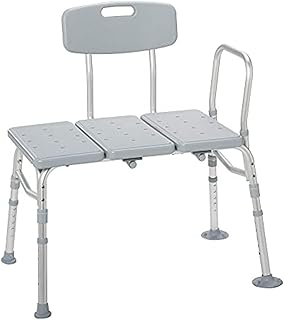
Heavy Duty Shower Bench
Essential for Third Trimester. Don’t risk a fall. Sit down to shave your legs or just relax. This isn’t just a bariatric solution; it’s a safety must-have for expectant moms.
Check Price on Amazon
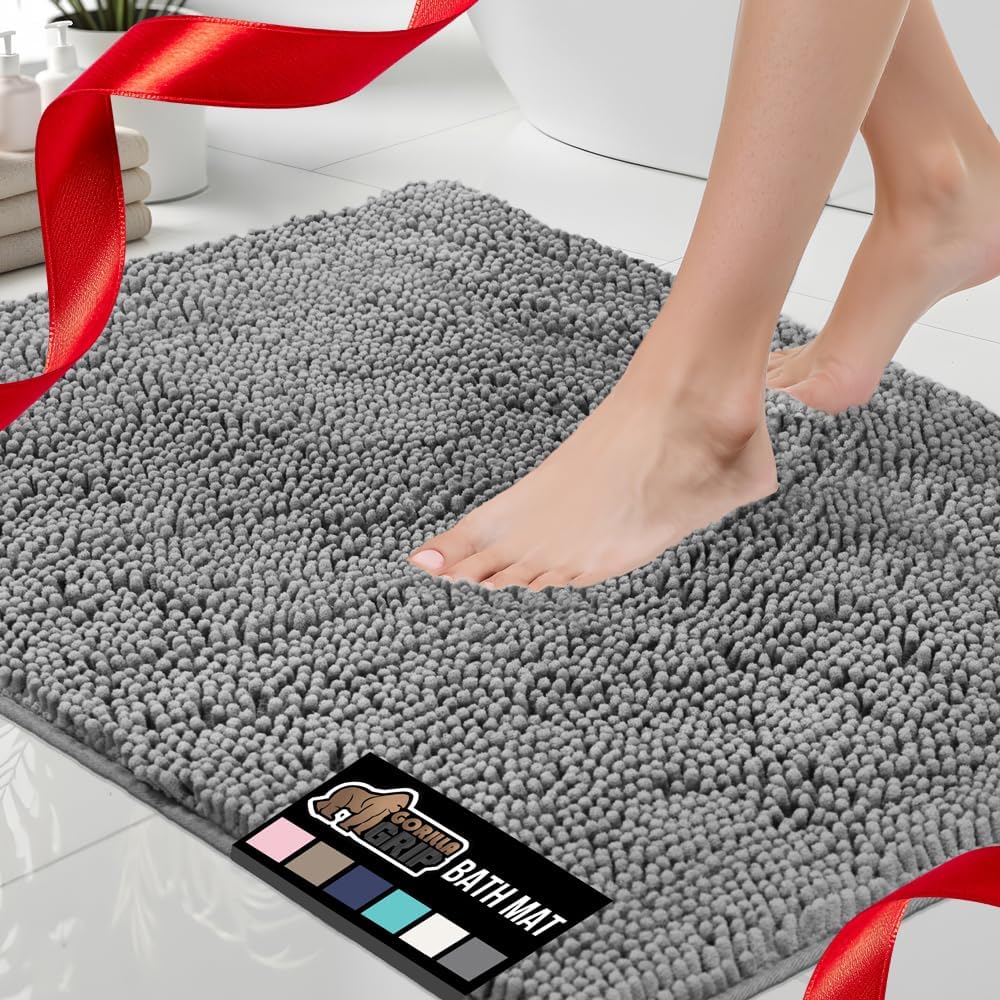
Gorilla Grip Non-Slip Mat
Fall Prevention. Your balance is compromised. This mat has hundreds of suction cups to ensure you don’t slip. Also, use a squeegee to keep the floor dry after use.
Check Price on Amazon
FloTherm Digital Shower Thermometer
Precision Temperature Monitoring. This LED display clips to your showerhead, showing exact water temperature. Crucial for first trimester safety. Set an audible alarm at 100°F.
Check Price on Amazon
Earth Mama Organic Pregnancy Wash
Gentle, Hormone-Safe Formula. Free from phthalates, parabens, and synthetic fragrances that can disrupt endocrine function. Calms nausea with natural ginger and citrus.
Check Price on Amazon
Moen Home Care Grab Bar
No-Drill Installation. This suction-based grab bar provides stability without permanent installation. Holds up to 250 lbs. Essential for getting in/out of shower safely.
Check Price on Amazon
Product Safety: Ingredients to Avoid During Pregnancy
| Ingredient |
Common In |
Potential Risk |
Safer Alternatives |
| Phthalates |
Fragranced body washes, shampoos |
Endocrine disruption, possible developmental effects |
Fragrance-free or naturally scented with essential oils (in moderation) |
| Parabens |
Preservatives in most conventional products |
Estrogenic activity, potential breast cancer risk |
Products preserved with vitamin E, grapefruit seed extract |
| Retinoids (Vitamin A derivatives) |
Anti-aging body washes, acne treatments |
Teratogenic at high doses (birth defects) |
Vitamin C, azelaic acid, glycolic acid (in low concentrations) |
| Essential Oils: Some types |
“Natural” products, aromatherapy washes |
Rosemary, sage, juniper may stimulate contractions |
Lavender, chamomile, ylang-ylang (diluted, after first trimester) |
| Triclosan |
Antibacterial soaps |
Thyroid disruption, antibiotic resistance |
Plain soap and water, benzalkonium chloride if needed |
The Dizziness & Fall Prevention Protocol
Orthostatic hypotension affects 20-30% of pregnant women, peaking in the second trimester. The shower is a high-risk environment.
1
Pre-Shower Preparation
Drink 8 oz of water 30 minutes before. Have a light snack if it’s been >2 hours since eating. Use the toilet first—a full bladder increases vasovagal response risk.
2
Entering & Exiting Strategy
Sit on the edge of the tub/swing legs over slowly. Use grab bars. Exit sitting down, then stand gradually. Keep a towel and robe within arm’s reach to prevent reaching.
3
During Shower Positioning
Avoid locking knees. Shift weight gently. If using a shower chair, ensure it’s positioned away from direct water stream to prevent slippery seat. Consider rainfall showerheads for gentler water distribution.
If You Feel Dizzy:
Immediate Action: 1) Turn off water. 2) Sit down immediately (even on wet floor). 3) Lower head between knees or lie on left side. 4) Call for assistance. Do not try to “power through” or rush to get out.
Water Breaking in the Shower: Protocols & Myths
Many women worry about their water breaking during a shower. Here’s what you need to know:
Fact vs. Fiction
MYTH: Shower water pressure can break your amniotic sac.
FACT: Your water breaks when the amniotic sac ruptures naturally or is ruptured medically. Shower pressure cannot cause this.
MYTH: You won’t notice your water breaking in the shower.
FACT: Amniotic fluid is typically continuous leakage, not a single gush for 85% of women. You’ll notice it continues after you turn off the water and dry off.
If Your Water Breaks in the Shower:
- Don’t Panic: This is a common occurrence. Note the time.
- Observe Fluid: Clear or pale pink is normal. Green or brown may indicate meconium—inform your provider.
- Do Not: Insert anything into vagina (no tampons, no checking dilation).
- Finish Showering: You can continue to wash, but avoid bath products in vaginal area.
- Contact Your Provider: Most recommend heading to hospital/birth center within timeframe they specify (usually 12-24 hours).
Postpartum Showering & Recovery
The first shower after delivery is both physically challenging and emotionally significant. Here’s what to expect:
| Delivery Type |
When to First Shower |
Special Considerations |
Temperature Guidelines |
| Vaginal Delivery |
4-6 hours postpartum, or when you feel steady enough to stand |
Use peri bottle for cleansing before/during. Pat stitches dry—don’t rub. Sitz bath may be recommended instead initially. |
Warm (100°F max) to soothe perineal tissues |
| C-Section |
24-48 hours, with assistance first time |
Keep incision dry—use waterproof dressing if provided. Face away from stream. Pat incision dry thoroughly after. |
Warm (100°F) to avoid vasodilation near incision |
| With Episiotomy/Tearing |
When comfortable, usually same day |
Use handheld showerhead to direct water away from stitches initially. Consider shower chair for stability if lightheaded. |
Cool to lukewarm (95-98°F) to reduce swelling |
Partner-Assisted Showering Techniques
As pregnancy progresses, having your partner assist can enhance safety and create bonding moments:
- Third Trimester Protocol: Partner should be within calling distance, not necessarily in the bathroom unless needed for physical support.
- Assisted Washing: Partner can wash hard-to-reach areas (back, feet) while you sit on shower chair.
- Drying Assistance: Particularly important for women with pelvic girdle pain or balance issues.
- Emotional Benefits: This can be intimate, non-sexual bonding time. Some couples play soft music or use dim lighting.
Seasonal & Environmental Considerations
Summer Pregnancy Showering
Challenge: Ambient heat combined with shower heat increases hyperthermia risk.
Solutions: Shower during coolest part of day. Use lukewarm or cool showers. Run bathroom fan and open window if safe. Consider filtered showerheads to remove chlorine that can dry skin further.
Winter Pregnancy Showering
Challenge: Temptation to use very hot water when cold.
Solutions: Preheat bathroom with space heater (placed safely away from water). Keep robe/towels warm on radiator. Limit shower time strictly. Moisturize immediately after to combat dry winter skin.
Psychological & Emotional Benefits
Beyond physical hygiene, showering offers significant mental health benefits during pregnancy:
1
Stress Reduction
Warm water (within safe limits) increases oxytocin and decreases cortisol. The white noise of shower can create meditative space away from external stressors.
2
Body Connection
Gentle washing of your growing belly can foster maternal-fetal bonding. This is a time to appreciate your body’s incredible work.
3
Sleep Preparation
As noted in our guide on showering before bed, the post-shower temperature drop signals sleep readiness—valuable when pregnancy insomnia strikes.
Emergency Scenarios & When to Seek Help
🚨 Seek Immediate Medical Attention If:
- You faint or nearly faint in the shower
- Experience vaginal bleeding (bright red, more than spotting)
- Have severe abdominal pain or regular contractions (<37 weeks)
- Notice decreased fetal movement after showering
- Experience vision changes, severe headache, or upper abdominal pain (preeclampsia signs)
- Fall and hit your abdomen or head
Travel & Hotel Shower Safety
When away from home, extra precautions are needed:
- Temperature Testing: Hotel showers often have inconsistent temperatures. Run water for 2+ minutes before entering. Use the elbow test.
- Non-Slip Solutions: Pack a portable non-slip mat or use a towel on the floor.
- Lighting: Use night light if unfamiliar with bathroom layout.
- Emergency Plan: Know the local emergency number and hospital location.
- For camping/outdoors: Consider portable shower tents with temperature controls.
Frequently Asked Questions (Expanded)
Can I take a bath instead of a shower?
Yes, with important caveats. Baths are generally safe if water temperature is below 100°F (37.8°C). However, be extra careful getting in/out as your center of gravity shifts. Some providers recommend against baths after 36 weeks if you have lost your mucus plug, due to theoretical infection risk. Always ensure tub is thoroughly cleaned, and limit soak time to 15 minutes maximum.
Is steam dangerous for the baby?
Excessive steam can be risky. Steam rooms and saunas are generally contraindicated throughout pregnancy due to rapid core temperature elevation. If you have a home steam shower, use minimal steam for <5 minutes, ensure excellent ventilation, and have someone nearby. Better to avoid during first trimester entirely.
Can I use my regular body wash?
Check ingredients carefully. Pregnancy makes skin more sensitive and permeable. Avoid products with retinoids, high concentrations of salicylic acid (>2%), and synthetic fragrances. Opt for pregnancy-safe, fragrance-free options. If you’re also managing other beauty concerns like eyelash extensions, choose oil-free cleansers to avoid breakdown of adhesive.
What if I recently got a tattoo?
Follow standard aftercare with extra vigilance. Pregnancy slightly suppresses immune function, increasing infection risk. Check our guide on showering with new tattoos, but keep water cooler (98°F max) and monitor closely for redness/swelling. Inform your tattoo artist you’re pregnant if considering new work—many reputable artists will decline tattooing pregnant clients.
Can showering help induce labor?
Not reliably, but it may help prepare your body. There’s no scientific evidence that showering induces labor, but warm water can relax muscles and reduce stress, which might help your body progress naturally. Some women find nipple stimulation in the shower (warm water on breasts) can release oxytocin. Never use castor oil or other supplements in the shower without consulting your provider.
How do I shave safely during pregnancy?
Extreme caution required. Use a shower chair or sit on tub edge. Consider a mirror. Use a fresh razor and shaving cream. Shave in direction of hair growth to prevent ingrown hairs. Better yet, consider switching to an electric razor or scheduling a professional wax (after first trimester). See our guide on shaving timing for more tips.
Are contrast showers (hot/cold) safe?
No. Alternating hot and cold water causes rapid vasoconstriction/vasodilation, which can stress the cardiovascular system and potentially trigger contractions. Stick to consistently warm temperatures throughout your shower.
Can I use a jacuzzi or whirlpool tub?
Generally not recommended. The combination of prolonged heat immersion and jets that can introduce bacteria makes these higher risk than standard baths. If you do use one, keep temperature below 100°F, limit to 10 minutes, ensure excellent water sanitation, and avoid jets directed at vaginal area.
Conclusion: Balancing Comfort, Safety, and Self-Care
Showering during pregnancy requires navigating between the very real need for physical comfort and the equally real responsibility of protecting your developing baby. The key is informed moderation—understanding the science behind the guidelines allows you to adapt them to your unique pregnancy experience.
By keeping water temperatures in the safe range (under 100°F), limiting duration, implementing fall prevention strategies, and choosing pregnancy-safe products, you transform your daily shower from a source of anxiety to a sanctuary of relief. This simple ritual can become a powerful tool for managing pregnancy discomforts while fostering connection with your changing body and growing baby.
Remember that these nine months are a temporary season with specific requirements. The small adjustments you make today—installing grab bars, using a shower chair, monitoring temperature—are investments in a healthy pregnancy outcome. And as you plan for your little one’s arrival, don’t forget to enjoy some lighter planning too, like choosing special baby shower gifts or deciding when to send invitations.
📋 Pregnancy Showering Safety Checklist
- ✅ Temperature: Keep water below 100°F (37.8°C)—use thermometer
- ✅ Duration: Limit to 10-15 minutes maximum
- ✅ Timing: Avoid showering when dizzy, overheated, or hungry
- ✅ Safety Gear: Use non-slip mat, grab bars, shower chair (third trimester)
- ✅ Hydration: Drink water before and after showering
- ✅ Ventilation: Ensure bathroom is well-ventilated
- ✅ Assistance: Have partner within calling distance in third trimester
- ✅ Products: Use pregnancy-safe, fragrance-free cleansers
- ✅ Emergency Plan: Know what to do if you feel faint
- ✅ Communication: Discuss any concerns with your healthcare provider
Disclaimer: As an Amazon Associate, ShowerBlog earns from qualifying purchases. This guide synthesizes information from the American College of Obstetricians and Gynecologists (ACOG), Royal College of Obstetricians and Gynaecologists (RCOG), and peer-reviewed research on maternal hyperthermia and fetal development. It is intended for educational purposes and should not replace individualized medical advice from your healthcare provider.