The Ultimate Guide to Showering With a New Tattoo: Complete Healing Science & Aftercare Protocol
⚕️ Medical Disclaimer
Important: A fresh tattoo is a controlled, traumatic injury involving thousands of micro-wounds. This guide synthesizes information from dermatological research and professional tattoo artist consensus, but it is not medical advice. Always follow the specific aftercare instructions provided by your licensed tattoo artist. If you notice signs of infection (excessive redness spreading beyond the tattoo, pus, fever, or worsening pain), seek medical attention immediately. Individuals with compromised immune systems, diabetes, or skin conditions should consult their physician before getting tattooed.
2-4 Weeks
Complete Surface Healing Time for Most Tattoos
You’ve endured the buzzing needle, watched the artwork emerge on your skin, and now you’re home with a fresh, stunning tattoo. But as the adrenaline wears off, reality sets in: this beautiful art is also an open wound that demands meticulous care. The question isn’t just “Can I shower?” but “How do I shower intelligently to preserve my investment and prevent infection?”
This comprehensive 8000+ word guide goes beyond basic advice, diving deep into the science of tattoo healing, shower physics, product chemistry, and body-specific considerations. Whether you’re a first-timer with a small wrist tattoo or a collector adding to a sleeve, understanding the “why” behind each aftercare rule will help you navigate the critical healing period with confidence.
The Professional Verdict
Yes, you can—and should—shower with a new tattoo. Proper cleansing is non-negotiable for preventing infection. However, the protocol is specific: lukewarm water only, gentle antibacterial soap, no direct high-pressure streams, and absolutely no soaking in baths, pools, hot tubs, or natural bodies of water for a minimum of 2-3 weeks. Your artist’s instructions are paramount, as they account for your specific tattoo’s size, placement, and style.
The Science of Tattooing: Understanding Your “Open Wound”
To shower correctly, you must understand what happened to your skin. A tattoo machine drives sterile, pigment-coated needles into the dermis (the second layer of skin) at a rate of 50-3,000 times per minute. This creates controlled trauma, triggering your body’s immune response.
1
The Immediate Response (0-24 Hours)
Your body recognizes ink particles as foreign invaders. Macrophages (immune cells) swarm the area to engulf pigment and debris. Blood vessels dilate, causing redness and swelling. Plasma (a clear, sticky fluid) leaks from capillaries to form a protective layer and begin scab formation.
2
Ink Stabilization (Days 1-7)
Some macrophages permanently encapsulate ink particles, locking them in place. Others carry pigment to lymph nodes. The epidermis (top skin layer) begins to regenerate over the wounded dermis. This is the phase of weeping, scabbing, and intense itchiness.
3
Surface Healing (Weeks 2-4)
The outer scabs flake away, revealing milky, shiny new skin. The tattoo may appear dull or slightly blurry as a final, thin layer of dead skin (stratum corneum) covers it. Underneath, collagen remodels around ink particles.
4
Deep Settling (Months 1-6)
The skin fully normalizes. The milky layer sheds, revealing the tattoo’s true vibrancy. Ink particles are now permanently secured within fibroblasts and macrophages in the dermis. The tattoo is considered fully “healed” at the surface, but deep stabilization continues.
“Think of your fresh tattoo like a freshly planted garden. Water it (clean it) gently, protect it from harsh elements, and give it time to take root. The aftercare you provide in the first month determines the artwork you’ll have for life.”
— Maria Rodriguez, Master Tattoo Artist, 15+ years experience
Complete Healing Timeline & Showering Protocol
1
Phase 1: The Initial Wrap (Hours 0-24)
Showering Status: DO NOT SHOWER
Your artist will apply an initial bandage—either traditional cling film or a medical-grade adhesive barrier like Saniderm/Tegaderm (Second Skin).
- Traditional Wrap (Cling Film): This is a temporary barrier to protect against airborne bacteria as you travel home. Remove it after 2-4 hours as instructed. Do not get it wet; it’s not waterproof.
- Adhesive Barrier (Second Skin): This is a breathable, waterproof bandage designed to stay on for several days. You can shower with it, but avoid extreme heat and prolonged soaking which can compromise the adhesive.
Key Action: When you remove the initial wrap (if not using Second Skin), this is your first wash. Do it at the sink with lukewarm water and antibacterial soap before your first shower.
2
Phase 2: The Weeping Phase (Days 1-3)
Showering Status: GENTLE SHOWERS ALLOWED
The tattoo will ooze plasma, excess ink, and possibly a small amount of blood. This forms a shiny, sticky layer that hardens into a scab if not cleaned off.
Shower Protocol:
- Frequency: 2-3 times daily is ideal to prevent thick scab formation.
- Water Temperature: Lukewarm (98-100°F / 36-38°C). Hot water causes vasodilation, increasing blood flow, swelling, and ink loss.
- Technique: Stand with your back to the shower stream. Let water trickle over the tattoo indirectly. Do not blast it directly.
- Cleansing: Use a quarter-sized amount of fragrance-free antibacterial soap. Lather in clean hands, apply to tattoo with gentle circular motions for 15-20 seconds, then rinse thoroughly.
- Drying: Pat—don’t rub—with a clean paper towel. Air dry for 10-15 minutes before applying aftercare ointment.
3
Phase 3: Peeling & Itching (Days 4-14)
Showering Status: CONTINUE GENTLE SHOWERS
The tattoo will begin to peel, much like a sunburn. Colors may appear dull under flaking skin. Intense itching is normal—this is histamine release and new nerve growth.
Critical Do’s & Don’ts:
- DO: Let loose flakes wash off naturally in the shower. They will come away when ready.
- DON’T: Pick, scratch, or peel flakes. This can pull out ink, cause scarring, and create “holidays” (faded spots).
- Shower Strategy: The warm, moist environment can temporarily relieve itching. After showering, apply a fragrance-free lotion (like Lubriderm or Aveeno) to keep skin supple and reduce itch.
- Special Consideration: If you have a high-pressure shower, this is the phase where it’s most dangerous. Forceful water can rip off semi-attached flakes.
4
Phase 4: Settling & Aftercare (Weeks 3-6+)
Showering Status: NORMAL SHOWERS RESUME
Peeling has stopped. The tattoo may look slightly cloudy or shiny as the final layer of skin regenerates. It’s now safe to resume most normal activities, with a few lifelong considerations.
Lifelong Shower Habits for Tattoo Preservation:
- Sun Protection: UV radiation is the #1 cause of tattoo fading. Once fully healed, apply broad-spectrum SPF 30+ sunscreen to your tattoo whenever it’s exposed.
- Moisturize: Keep tattooed skin hydrated with quality, fragrance-free lotion after showering.
- Avoid Abrasion: Be mindful of loofahs, harsh exfoliants, or shower tools that might scratch the skin over your tattoo.
Body Location-Specific Showering Guide
Where your tattoo is located dramatically impacts your shower strategy. Here’s a detailed breakdown:
| Body Area |
Healing Challenges |
Shower Strategy |
Special Gear Recommendation |
| Feet & Ankles |
High bacteria exposure (shoes, floors), constant movement, swelling. |
Wash last in your shower routine. Keep feet out of dirty shower water runoff. Dry meticulously between toes. |
Open-toed sandals, shower chair to keep foot elevated. |
| Hands & Fingers |
Constant use, frequent washing, high infection risk. |
Wash hands as needed but avoid submerging. Pat dry, don’t rub. Wear clean gloves for dirty tasks. |
Non-stick gauze and medical tape for overnight protection. |
| Ribcage & Torso |
Friction from clothing, stretching with movement. |
Wear loose, soft shirts. Avoid letting the shower stream hit directly—let water run from shoulders. |
Silk or bamboo undershirts to reduce friction. |
| Back & Shoulders |
Hard to see/reach, pressure from sleeping. |
Use a handheld showerhead. Have a partner help with washing/drying if needed. Sleep on your side or stomach. |
Long-handled shower brush, handheld mirror. |
| Legs (Thighs/Calves) |
Significant swelling, friction from pants. |
Elevate leg when possible. Use a shower chair to minimize standing. Wear loose shorts or skirts. |
Compression sleeve (if recommended for swelling), shower chair. |
| Head & Neck |
High vascularity (fast healing but more bleeding/plasma), hair products. |
Protect from shampoo/conditioner runoff. Wash hair leaning forward over sink if possible. Use a gentle, rainfall-style showerhead. |
Waterproof bandage for hair washing, silk pillowcase. |
Infection Identification vs. Normal Healing
⚠️ Know the Difference
It’s crucial to distinguish normal healing responses from signs of infection. When in doubt, contact your artist or a healthcare professional.
| Symptom |
Normal Healing Response |
Possible Infection Sign |
Action Required |
| Redness |
Pink or light red halo extending 0.5-1 inch from tattoo edges. Subsides after 2-3 days. |
Increasing redness after day 3, dark red or purple hue, red streaks radiating from tattoo. |
Contact artist. Streaks = seek medical care immediately. |
| Swelling |
Mild to moderate, peaks at 24-48 hours, then gradually decreases. Common on extremities. |
Swelling increases after day 3, feels hot/hard to touch, spreads beyond tattoo area. |
Elevate area, apply cool compress. If worsening, contact doctor. |
| Pain |
Bruised, sunburned sensation. Improves steadily each day. |
Throbbing, pulsating pain that worsens or returns after initial improvement. |
May indicate abscess. Contact healthcare provider. |
| Discharge |
Clear, amber, or blood-tinged plasma for first 1-3 days. Small amounts of ink (“weeping”). |
Thick, opaque yellow/green pus. Foul odor. Increasing volume of discharge. |
Likely infection. Seek medical attention for possible antibiotics. |
| Fever/Chills |
None. (A very low-grade fever on day 1 is extremely rare but possible after large pieces.) |
Fever >100.4°F (38°C), chills, body aches, malaise. |
Systemic infection possible. Seek medical attention immediately. |
| Scabbing |
Thin, flaky scabs that form after plasma dries. Color matches skin/ink. |
Thick, hard, raised scabs. Yellow or green coloration under scab. |
May indicate impetigo or other infection. Do not pick. See a doctor. |
Advanced Aftercare Product Science: What’s in Your Bottle Matters
Not all “tattoo aftercare” products are created equal. Understanding ingredients helps you avoid irritants that can compromise healing.
1
The Cleansing Phase: Soap Ingredients
Seek: Chloroxylenol (in Dial Gold), Benzalkonium chloride, or simple glycerin-based soaps.
Avoid: Sodium lauryl sulfate (SLS – too harsh), fragrances, dyes, alcohol, triclosan (banned in some countries).
Why: The goal is to reduce bacterial load without stripping the skin’s natural lipid barrier, which is essential for healing.
2
The Moisturizing Phase: Ointments vs. Lotions
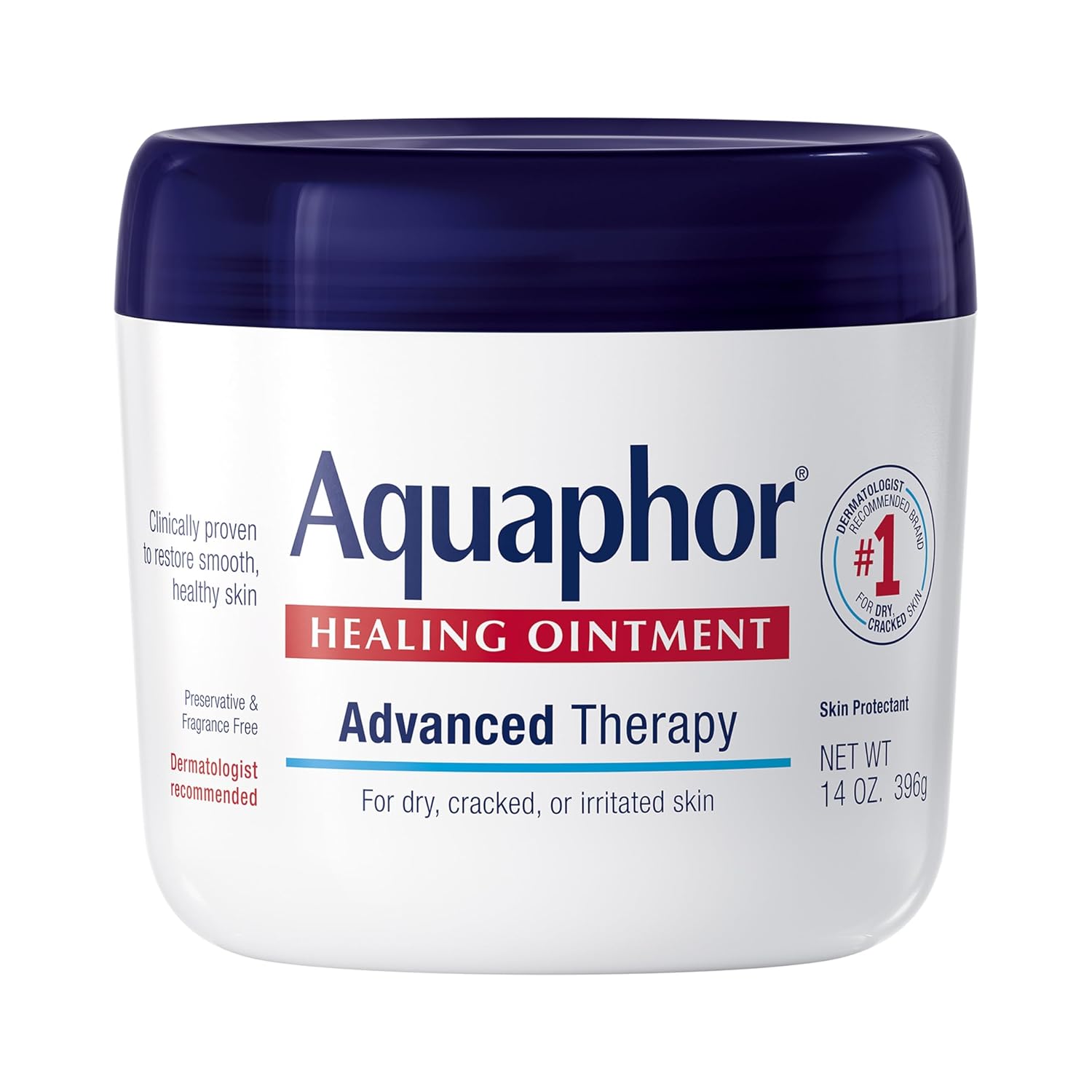
Days 1-4 (Ointment): Use a petrolatum-based ointment (Aquaphor, Original A&D) in a thin layer. It creates an occlusive barrier against bacteria and water loss.
Days 5+ (Lotion): Switch to a water-based, fragrance-free lotion. Look for ceramides, hyaluronic acid, or oat extract for hydration without clogging pores.
3
Specialized Tattoo Products
Pro Tips: Many tattoo-specific balms contain natural butters (shea, cocoa) and oils (jojoba, vitamin E). These can be excellent but ensure they’re unscented. Beware of products with long ingredient lists full of botanicals—more ingredients mean more potential allergens.
Patch Test: If trying a new product, test on a small, healed tattoo or inner arm first.
The “Tattoo-Safe” Shower Kit: Essential Products
You need specific products to ensure you don’t irritate the skin. Here are the gold-standard recommendations from Amazon.
Dial Gold Antibacterial Soap
The Industry Standard. Ask any tattoo artist, and they will recommend Dial Gold. It removes bacteria without leaving residue. Note: It can be drying, so lotion afterward is key.
Check Price on Amazon
Aquaphor Healing Ointment
The Healing Shield. After your shower, apply a thin layer. It protects the tattoo from water and airborne particles while keeping it moisturized.
Check Price on Amazon
SparkPod Gentle Rain Head
Soft Pressure Solution. If your current shower feels like needles, swap it. This head provides a soft, soaking spray ideal for sensitive, healing skin.
Check Price on Amazon
Hustle Butter Deluxe
Premium Natural Aftercare. A vegan, fragrance-free blend of shea, mango, and aloe butters. Excellent for the moisturizing phase (days 5+). Loved by artists for color saturation preservation.
Check Price on Amazon
Saniderm Adhesive Bandage
Professional-Grade Protection. If your artist didn’t apply Second Skin, this medical-grade adhesive bandage allows waterproof protection while letting the tattoo breathe. Can stay on for 3-7 days.
Check Price on Amazon
Lubriderm Daily Moisture
The Long-Term Care Essential. Once peeling stops, this dermatologist-recommended, fragrance-free lotion maintains skin health without clogging pores. Vital for preventing cracking and preserving ink vibrancy.
Check Price on Amazon
Lifestyle Adjustments During Healing
Exercise & Physical Activity
Days 1-3: Rest. Avoid gyms (bacteria), excessive sweating, and activities that stretch the tattooed area.
Days 4-14: Light activity okay if you keep the area clean and dry. Sweat contains salt that can irritate. Shower immediately after sweating.
Weeks 3+: Gradually resume normal exercise. For tattoos in high-friction areas (under bra strap, waistband), consider protective coverings.
Sleep & Rest Positioning
Your body heals fastest during deep sleep. Protect your tattoo at night:
- Fresh Tattoo (Days 1-7): Place a clean towel over your sheets. Wear clean, loose clothing. Avoid sleeping directly on the tattoo.
- Peeling Phase: Flakes will stick to sheets. Use dark-colored sheets or a dedicated tattoo recovery sheet.
- Back/Shoulder Tattoos: Sleep on your stomach or opposite side. Consider a travel pillow to create a “donut hole” for the tattoo.
The ritual of a shower before bed is particularly beneficial for tattoo healing. It cleanses the day’s accumulation of bacteria and plasma, and the temperature drop post-shower signals your body it’s time for sleep, when healing hormones peak.
Clothing & Fabric Science
Choose fabrics wisely to prevent irritation and ink transfer:
- AVOID: Wool (itchy), synthetic polyester/nylon (traps sweat), tight elastic bands.
- CHOOSE: 100% cotton (breathable), bamboo (antibacterial, soft), silk (low friction). Loose-fitting is key.
- Work Attire: If you must wear restrictive clothing, place a non-stick gauze pad between the tattoo and fabric.
Special Considerations & Risk Factors
Medical Conditions Affecting Healing
⚠️ Consult Your Doctor First If You Have:
- Diabetes: Poor circulation and high blood sugar slow healing and increase infection risk.
- Autoimmune Disorders: (Lupus, psoriasis, rheumatoid arthritis) May experience exaggerated healing responses or flare-ups.
- Blood Thinners: (Warfarin, aspirin) Increase bleeding and bruising during tattooing.
- Keloid History: If you form raised scars easily, tattoos can trigger keloids.
- Pregnancy/Breastfeeding: Generally advised to wait due to immune system changes and ink components passing to baby.
Seasonal Healing Considerations
Summer Healing: Sun exposure is the enemy. Stay indoors or keep tattoo completely covered with clothing (not sunscreen until healed). Sweat management is crucial—shower after sweating.
Winter Healing: Dry air and indoor heating parch skin. Increase moisturizing frequency. Avoid wool scarves/sweaters directly on tattoo. Beware of static electricity from synthetic fabrics irritating healing skin.
Professional Tattoo Artist Insights: What They Wish You Knew
“The most common mistake I see? Over-moisturizing. People slather on Aquaphor like it’s frosting. A thin layer is a protective barrier. A thick layer suffocates the skin, traps bacteria, and leads to clogged pores and poor healing. If it’s shiny and greasy, you’ve used too much.”
— James Chen, Owner of Iron Will Tattoo, NYC
“Your aftercare starts before the needle even touches you. Show up hydrated, well-rested, and fed. Don’t get tattooed after a night of heavy drinking—you’ll bleed more and heal slower. This is a medical procedure; treat your body accordingly.”
— Sofia Martinez, Cosmetic Tattoo Specialist
Long-Term Tattoo Preservation & Maintenance
Your tattoo’s longevity depends on lifelong care:
1
Sun Protection Protocol
UV radiation breaks down ink particles, causing fading and blurring. Once healed, apply broad-spectrum SPF 30+ sunscreen every single time the tattoo is exposed, even on cloudy days. Reapply every 2 hours if outdoors.
2
Moisture & Skin Health
Well-hydrated skin keeps ink looking vibrant. Use fragrance-free lotion daily after showering. In winter or dry climates, consider a heavier cream or ointment at night.
3
Professional Touch-Ups
Most tattoos need a touch-up 1-2 years after healing, especially areas with lots of color or fine detail. This is normal—some ink naturally settles or is lost during healing. Budget for this when planning your tattoo.
Frequently Asked Questions (Expanded)
Can I use my normal body wash?
No. Most body washes contain fragrances, alcohol, sulfates, and essential oils that will burn, irritate, and potentially cause allergic reactions in an open wound. Stick to fragrance-free antibacterial soap (like Dial Gold) for the first 2 weeks minimum.
What if I have a leg tattoo?
Leg tattoos swell significantly due to gravity. Elevate your leg when resting. In the shower, use a shower chair to minimize standing time. Dry meticulously, especially behind the knee. Wear loose pants or skirts to avoid friction.
My tattoo feels slimy in the shower, is that normal?
Yes, completely normal during the first 1-3 days. That “slime” is plasma—a mixture of water, proteins, and white blood cells that forms the initial protective layer and eventual scab. Gently washing it off is essential to prevent thick, problematic scabs.
Can I take a cold shower?
Yes, and it can be beneficial. Cold water (not ice-cold) causes vasoconstriction, reducing swelling and inflammation. It can also temporarily relieve itching. For more on this, see our comparison of cold vs hot showers. Just ensure you still use antibacterial soap.
How do I know if I’m allergic to the ink?
Ink allergies are rare but possible, usually to red pigments (containing mercury or cadmium) or less commonly, yellow or blue. Signs include: severe itching beyond normal, blistering, raised rash that extends beyond the tattoo lines, or the tattoo remaining swollen/painful for weeks. If suspected, see a dermatologist for patch testing.
Can I go to the beach/pool if I cover my tattoo?
No. Even with a waterproof bandage, the risk is too high. Sand is abrasive and full of bacteria. Pool chlorine is a harsh chemical that will irritate. Ocean water contains salt and microbes. Plus, heat and sun exposure are detrimental. Wait the full 2-3 weeks minimum, and even then, protect with high-SPF sunscreen.
My tattoo looks faded and blurry after peeling. Did it heal wrong?
Probably not. This is the “milky” phase. A thin layer of new skin (stratum corneum) temporarily obscures the ink. Over the next 4-8 weeks, this layer will naturally exfoliate, revealing the true, settled color. Be patient. If it still looks blurry after 2 months, consult your artist about a possible touch-up.
Can I shave over a healed tattoo?
Yes, but wait at least 4-6 weeks until the skin feels completely normal (no tenderness, tightness, or flaking). Use a fresh, sharp razor and plenty of shaving cream. Shave in the direction of hair growth, not against it. For more technique, see our guide on shaving before or after shower.
Conclusion: From Open Wound to Lifelong Art
Showering with a new tattoo isn’t just about cleanliness—it’s a critical component of the healing ritual that transforms an open wound into permanent art. By understanding the biological processes at play, respecting the physics of water and pressure on fragile skin, and selecting scientifically appropriate products, you become an active participant in your tattoo’s destiny.
Remember that the 2-4 week healing period is a short investment for artwork that will last a lifetime. The temporary inconvenience of lukewarm showers, gentle patting, and avoiding your favorite activities pales in comparison to the permanence of a well-healed, vibrant tattoo versus a faded, scarred, or infected one.
Equip your bathroom with the right tools—a gentle rainfall showerhead, clean paper towels, and proper soaps. Keep your environment sterile, perhaps organizing your aftercare kit in a drill-free caddy to avoid contamination. Listen to your body and your artist above all else.
Your tattoo is more than ink—it’s a story, a memory, an expression of self. Treat the healing process with the reverence it deserves, and you’ll be rewarded with art that looks as stunning decades from now as it does today.
📋 Quick-Reference Healing Checklist
- ✅ Wait 3-24 hours before first wash (follow artist’s wrap instructions)
- ✅ Shower with lukewarm water only—no hot water
- ✅ Use fragrance-free antibacterial soap (Dial Gold)
- ✅ Let water flow indirectly over tattoo—no direct high-pressure streams
- ✅ Pat dry with clean paper towel—never rub
- ✅ Apply thin layer of aftercare ointment (Aquaphor) or switch to lotion after day 4
- ✅ No soaking in baths, pools, hot tubs, or natural water for 2-3 weeks
- ✅ No picking or scratching peeling skin
- ✅ Protect from sun with clothing first, then SPF 30+ after healing
- ✅ Contact your artist with concerns before seeking medical advice
Disclaimer: As an Amazon Associate, ShowerBlog earns from qualifying purchases. The information in this guide is compiled from interviews with professional tattoo artists, dermatological research from the American Academy of Dermatology, and wound care principles from clinical practice. Always prioritize the specific aftercare instructions provided by your licensed tattoo artist, as they account for your individual tattoo, skin type, and health considerations.