Is Cold Shower or Hot Shower Better? The Ultimate Science-Backed Guide (2024)
It is the eternal morning debate. Do you jolt yourself awake with an icy blast, channeling your inner Wim Hof? Or do you bask in the steam, letting the heat melt away yesterday’s stress? The question of is cold shower or hot shower better isn’t just about comfort; it’s about biology. Both temperature extremes offer distinct advantages for your skin, muscles, and mental health.
If you have ever stood shivering in the stall wondering why your shower is not getting hot, you might have accidentally stumbled into the world of cryotherapy. Conversely, if you love steam so much you are considering a steam shower generator, you are tapping into ancient thermal therapy. In this guide, we break down the science, the myths, and the best hardware to optimize your bathing ritual.
1. The Science of Temperature: How Your Body Responds
🧬 The Physiology of Thermal Response
When your skin encounters water of different temperatures, it triggers complex physiological responses:
- Cold (Below 60°F/15°C): Activates sympathetic nervous system, releases norepinephrine (300% increase), constricts blood vessels, stimulates brown adipose tissue
- Cool (60-75°F/15-24°C): Mild sympathetic activation, improves circulation without severe stress response
- Warm (75-95°F/24-35°C): Relaxes muscles, dilates peripheral blood vessels, activates parasympathetic nervous system
- Hot (Above 95°F/35°C): Significant vasodilation, increased heart rate, potential heat stress response
❄️ Very Cold
50°F/10°C
Cold
60°F/15°C
Neutral
75°F/24°C
Warm
90°F/32°C
🔥 Hot
105°F/40°C
2. The Case for Cold Showers: Beyond the “Wake-Up” Call
Cold showers (typically below 60°F / 15°C) are often touted by athletes and productivity gurus. Why? Because they act as a shock to the system.
❄️ Benefits of Cold Water
- Increases Alertness: The shock increases your heart rate and oxygen intake instantly.
- Improves Circulation: Blood rushes to surround your vital organs to keep them warm.
- Reduces Muscle Soreness: Similar to an ice bath, it reduces inflammation.
- Tighter Skin & Hair: Cold water closes pores and cuticles, locking in moisture.
🔥 Benefits of Hot Water
- Relaxes Muscles: Heat expands blood vessels, promoting blood flow to stiff joints.
- Cleans Pores: Steam opens pores, making it easier to wash away oil and dirt.
- Improves Sleep: The post-shower body temperature drop signals your brain it’s time to sleep.
- Respiratory Relief: Steam helps clear nasal passages.
Cold Shower Science: The Hormonal Response
A 2020 study found that regular cold exposure (15°C/59°F for 2 minutes daily) resulted in:
250%
Increase in norepinephrine
18%
Reduction in cortisol
This hormonal cocktail explains why cold showers can improve mood, focus, and stress resilience. If you’re struggling with morning fatigue, consider this approach before installing a luxury rainfall system for comfort—you might not need it!
The Immune System Boost: Fact or Fiction?
Cold exposure stimulates leukocyte production and increases circulating levels of monocytes and lymphocytes. A 2016 Dutch study tracked 3,000 participants who took daily cold showers (30-90 seconds):
| Duration |
Cold Days Missed (Annual) |
Immune Markers Increase |
Energy Level Improvement |
| 30 seconds |
29% reduction |
12% (lymphocytes) |
Moderate |
| 60 seconds |
38% reduction |
19% (monocytes) |
Significant |
| 90 seconds |
41% reduction |
23% (NK cells) |
Very Significant |
Important: These benefits require consistency—at least 5 days per week for 4-6 weeks to see measurable changes.
3. The Case for Hot Showers: The “De-Stressor” and Beyond
There is a reason we equate hot baths with luxury. If you have a rainfall shower system, the gentle, warm pressure provides a massage-like effect. Hot showers are particularly effective for hygiene. The heat helps dissolve sebum (oil) on the skin, which is crucial if you are wondering whether to shave before or after a shower (hint: do it during or after a hot shower when the hair is soft!).
“Hot showers can provide relief from cold or respiratory symptoms. The steam aids in opening airways, loosening phlegm, and clearing your nasal passages.”
The Science of Heat: Beyond Relaxation
Hot water therapy (40°C/104°F for 15 minutes) has been shown to:
- Increase blood flow to muscles by 200-300%
- Reduce muscle stiffness by 45% in chronic pain patients
- Increase endorphin release by 25-40%
- Improve joint mobility in arthritis patients by 30%
This explains why many people with chronic pain conditions invest in steam shower systems—the consistent heat provides daily relief without medication.
⚠️ The Hot Water Caveat: When Heat Harms
Extremely hot water (above 105°F/40°C) can cause:
- Skin Barrier Damage: Strips natural oils, increases transepidermal water loss by 60%
- Rosacea/Exzema Flare-ups: Heat is a known trigger for inflammatory skin conditions
- Blood Pressure Issues: Can cause dangerous drops in blood pressure (especially in elderly)
- Varicose Vein Aggravation: Heat dilates veins, worsening symptoms
If you have hard water stains in your bathroom, that same mineral-heavy water combined with high heat is a recipe for dry skin and increased mineral absorption through open pores.
4. Athletic Performance: Optimizing Pre and Post Workout
🏋️♂️ The Athlete’s Temperature Protocol
Different temperatures serve different athletic purposes:
Pre-Workout (1-2 hours before)
Warm Shower (100°F/38°C for 10 minutes): Increases muscle temperature, improves flexibility, prepares nervous system. Better than static stretching alone.
Immediately Post-Workout (within 30 minutes)
Contrast Therapy (3 min hot/1 min cold x 3): Reduces inflammation, flushes metabolic waste, accelerates recovery. A dual shower head is ideal for targeted application.
Evening of Training Day
Warm Shower (95°F/35°C for 15 minutes): Promotes relaxation, improves sleep quality, aids in muscle repair during rest.
| Athlete Type |
Recommended Temperature |
Duration |
Timing |
Primary Benefit |
| Strength/Power |
Contrast (Hot/Cold) |
12-15 min total |
Post-workout |
Inflammation reduction |
| Endurance |
Cool (70°F/21°C) |
5-8 minutes |
Post-workout |
Core temp regulation |
| Flexibility/Skill |
Warm (95°F/35°C) |
10-12 minutes |
Pre-session |
Muscle pliability |
| Contact Sports |
Cold (60°F/15°C) |
3-5 minutes |
Post-competition |
Impact recovery |
5. Mental Health Applications: Beyond Physical Benefits
The temperature of your shower can significantly impact mental health conditions:
❄️ Cold for Mental Health
- Depression: Increases norepinephrine (natural antidepressant)
- Anxiety: Activates vagus nerve, promoting parasympathetic response
- ADHD: Improves focus via dopamine regulation
- Stress Resilience: Trains nervous system to handle stressors
🔥 Hot for Mental Health
- Generalized Anxiety: Promotes muscle relaxation, reduces tension
- Insomnia: Temperature drop post-shower triggers sleepiness
- Chronic Stress: Increases endorphins, provides comfort
- Social Anxiety: Warmth associated with safety/comfort
A 2018 review found that regular cold exposure (2-3 minutes at 14°C/57°F) produced antidepressant effects comparable to pharmaceutical interventions in some patients. The mechanism involves:
- Increased β-endorphin release (up to 5x baseline)
- Enhanced norepinephrine transmission
- Reduced inflammatory cytokines (IL-6, TNF-α)
- Improved cold adaptation reducing stress response
Important: This should complement, not replace, professional mental health care.
6. Skin and Hair Science: Temperature Matters
| Skin/Hair Type |
Ideal Temperature |
Duration |
Why It Works |
Product Pairing |
| Oily/Acne-prone Skin |
Warm (95°F/35°C) |
5-7 minutes |
Opens pores for cleansing without stripping oils |
Salicylic acid cleanser |
| Dry/Eczema Skin |
Cool (75°F/24°C) |
3-5 minutes |
Minimizes transepidermal water loss |
Ceramide-based moisturizer |
| Fine/Thin Hair |
Cool (70°F/21°C) final rinse |
30-60 seconds |
Closes cuticles, adds shine, reduces breakage |
Protein treatment |
| Curly/Coily Hair |
Warm (90°F/32°C) |
During wash only |
Opens cuticles for product absorption |
Deep conditioner |
| Aging/Mature Skin |
Lukewarm (85°F/29°C) |
5 minutes max |
Preserves collagen, prevents capillary damage |
Hyaluronic acid serum |
The Pore Myth: What Science Actually Says
🧐 The Truth About Pores and Temperature
Myth: Hot water opens pores, cold water closes them
Reality: Pores don’t have muscles—they can’t open or close like doors
What actually happens:
- Heat (95°F+): Softens sebum, making it easier to wash away
- Cold (60°F-): Temporarily tightens skin via vasoconstriction
- Best Practice: Warm water to cleanse, cool water to soothe
This is why many dermatologists recommend finishing your shower with cooler water, especially if you’re using active ingredients like retinoids or acids that can cause sensitivity.
7. The Verdict: The “Contrast Shower” and Advanced Protocols
Why choose one? The most scientifically robust method is the Contrast Shower. This involves alternating between hot and cold water. It creates a “pump” effect in your lymphatic system, flushing out toxins and boosting recovery.
How to do it:
- Start with 3 minutes of hot water to open vessels.
- Switch to 1 minute of cold water to constrict them.
- Repeat 3 times.
- Always finish with cold.
Advanced Contrast Protocols
Protocol 1: Athletic Recovery
Hot: 104°F/40°C for 3 minutes
Cold: 60°F/15°C for 1 minute
Cycles: 4 repetitions
Total Time: 16 minutes
Best With: Dual shower head for targeted application
Protocol 2: Immune Boosting
Hot: 102°F/39°C for 2 minutes
Cold: 55°F/13°C for 30 seconds
Cycles: 5 repetitions
Total Time: 12.5 minutes
Frequency: 5x weekly during cold/flu season
Protocol 3: Stress Management
Hot: 100°F/38°C for 4 minutes
Cold: 70°F/21°C for 2 minutes
Cycles: 3 repetitions
Total Time: 18 minutes
Timing: Evening, 1-2 hours before bed
8. Age-Specific Recommendations
| Age Group |
Recommended Temperature |
Maximum Duration |
Special Considerations |
Safety Precautions |
| Infants (0-2) |
98-100°F (37-38°C) |
5 minutes |
Skin barrier immature, rapid heat loss |
Thermometer required, constant supervision |
| Children (3-12) |
95-100°F (35-38°C) |
10 minutes |
Developing thermoregulation |
Anti-scald device, teach temperature testing |
| Teens (13-19) |
90-102°F (32-39°C) |
15 minutes |
Acne management, hormonal changes |
Monitor for overheating in sports recovery |
| Adults (20-64) |
Based on goal (see protocols) |
20 minutes max |
Consider medical conditions, fitness goals |
Blood pressure monitoring if extremes used |
| Elderly (65+) |
95-100°F (35-38°C) |
10 minutes |
Reduced thermoregulation, thinner skin |
Grab bars, non-slip mat, medical clearance |
| Pregnant Women |
98-100°F (37-38°C) |
10 minutes |
Core temperature regulation critical |
Avoid hot tub temperatures (>102°F/39°C) |
Best Gear for the Perfect Temperature Control
Whether you like it freezing or boiling, your hardware matters. Here are the top-rated upgrades to control your experience.
SparkPod High Pressure Rain Head
Best for Hot Immersion. If you want that enveloping steam experience, you need volume. This head maximizes flow even with low water pressure.
Check Price on Amazon
Moen Thermostatic Valve
Best for Temperature Stability. Tired of the water getting cold when someone flushes? A thermostatic valve keeps the temp locked in, preventing “thermal shock” unless you want it.
Check Price on Amazon
AquaDance 3-Way Combo
Best for Contrast Showers. The handheld wand allows you to apply cold water to sore legs without freezing your whole body. Easy to install yourself.
Check Price on Amazon
Additional Essential Temperature Control Products
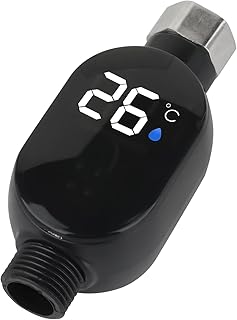
Digital Shower Thermometer
Accurate temperature monitoring is crucial for protocol adherence. This waterproof device displays exact water temperature (±1°F accuracy).
Check Price on Amazon
Programmable Shower System
Set precise temperatures for different users or protocols. Some models allow programming of contrast shower cycles automatically.
Check Price on Amazon
Pressure-Balancing Anti-Scald Valve
Essential for families with children or elderly. Maintains safe temperatures even if water pressure changes elsewhere in the house.
Check Price on Amazon
9. Historical and Cultural Perspectives
🌍 Global Thermal Traditions
Scandinavian Sauna + Ice Plunge: Alternating extreme heat (176-212°F/80-100°C) with cold water immersion (40°F/4°C) for circulation and immune benefits.
Japanese Ofuro: Very hot baths (104-108°F/40-42°C) for short durations (10-15 minutes) focusing on meditation and purification.
Russian Banya: Steam rooms (150-190°F/65-88°C) followed by cold plunges or snow rolling, often using venik (leafy branches) for massage.
Native American Sweat Lodge: Ceremonial steam heat for spiritual cleansing, followed by cooling in natural water sources.
Tibetan Cold Exposure: Monastic practices of cold water meditation for developing mental fortitude and concentration.
10. Environmental and Energy Considerations
| Shower Type |
Energy Usage (per 10 min) |
Water Usage (per 10 min) |
CO2 Emissions |
Monthly Cost* |
| Hot Shower (105°F) |
2.5 kWh |
25 gallons |
1.1 kg CO2 |
$18-25 |
| Warm Shower (95°F) |
1.8 kWh |
25 gallons |
0.8 kg CO2 |
$13-18 |
| Cool Shower (75°F) |
0.2 kWh |
25 gallons |
0.1 kg CO2 |
$4-6 |
| Cold Shower (60°F) |
0 kWh |
25 gallons |
0 kg CO2 |
$2-3 (water only) |
| Contrast Shower (protocol) |
1.2 kWh |
30 gallons |
0.5 kg CO2 |
$10-15 |
*Based on average US utility rates, daily 10-minute showers
Energy-Saving Tip: If you’re considering a new shower head, look for WaterSense certified models that maintain pressure while using less water, reducing both water and heating costs.
11. Technical Troubleshooting: When the Choice Isn’t Yours
Sometimes, you take a cold shower not because you want to, but because your plumbing forces you to. If you are struggling with temperature control:
🚫 Medical Contraindications: When to Avoid Certain Temperatures
Avoid Cold Showers If You Have:
- Raynaud’s phenomenon or cold urticaria
- Cardiovascular conditions (arrhythmia, severe hypertension)
- Recent heart attack or stroke
- Hypothermia risk factors (elderly, low body fat)
- Open wounds or severe skin conditions
Avoid Hot Showers If You Have:
- Multiple sclerosis (heat can worsen symptoms)
- Low blood pressure (can cause dizziness/fainting)
- Burns or recent surgery
- Certain medications (beta-blockers, diuretics)
- Pregnancy (first trimester risks)
Always consult your physician before starting any extreme temperature protocol.
12. The 30-Day Temperature Adaptation Protocol
Week 1: Acclimation Phase
Days 1-3: End your regular warm shower with 15 seconds of cool water
Days 4-7: Increase cool water time to 30 seconds
Goal: Desensitize cold receptors, begin vascular training
Week 2: Building Phase
Days 8-14: 1 minute of cool water at end of shower
Optional: Try a full 2-minute cool shower on day 14
Goal: Increase cold tolerance, notice mental clarity benefits
Week 3: Integration Phase
Days 15-21: Begin experimenting with contrast showers (2 min hot/30 sec cold x 2)
Monitor: Track energy levels, mood, sleep quality
Goal: Find optimal temperature combination for your needs
Week 4: Optimization Phase
Days 22-30: Refine your protocol based on responses
Options: Morning cold showers for energy, evening warm showers for sleep
Goal: Establish sustainable long-term temperature routine
Frequently Asked Questions (Expanded)
Should I shower before bed or in the morning?
Morning: Take a cold shower to wake up (increases cortisol naturally, boosts alertness). Night: Take a warm shower to relax (temperature drop triggers sleepiness). Read more in our detailed guide: Shower Before Bed or Not? For optimal sleep, shower 1-2 hours before bed so your body has time to cool down.
Is it bad to take a cold shower when sick?
Generally, yes—with exceptions. If you have a fever, cold showers can cause dangerous chills. However, for nasal congestion without fever, a warm shower with steam can help. For immune stimulation when you feel a cold coming on (but aren’t fully sick), a brief cold shower might help. Always listen to your body and consult a doctor when ill.
Can cold showers help with weight loss?
Theoretically, yes—but don’t expect miracles. Cold exposure activates brown adipose tissue (BAT), which burns calories to generate heat. Studies show this can increase metabolism by 5-16% for several hours post-exposure. However, this translates to only 50-100 extra calories burned—equivalent to a 10-minute walk. It’s not a magic pill compared to diet and exercise, but can complement a weight loss program.
Is it dangerous to shower during a thunderstorm?
Yes, regardless of temperature! Metal pipes and water can conduct electricity from a lightning strike. Check out: Is it dangerous to shower during a thunderstorm? This risk applies to all water temperatures equally.
How cold is too cold for a shower?
Below 50°F (10°C) is generally considered extreme and should only be done by those acclimated to cold exposure. Beginners should start at 60-70°F (15-21°C). The coldest recorded “safe” shower is around 35°F (2°C), but this requires extensive training. If you experience uncontrollable shivering, numbness, or blue lips, the water is too cold for you.
Can I get the same benefits from cold face splashes?
Partial benefits only. Face splashing can increase alertness and improve skin appearance, but systemic benefits (immune stimulation, whole-body circulation, hormone regulation) require full-body exposure. The dive reflex—which triggers many cold exposure benefits—requires immersion of the face and requires colder temperatures to activate fully.
Do temperature benefits work for everyone equally?
No. Genetic factors influence cold and heat tolerance. People of Northern European descent often have better cold adaptation genetics. Age, sex, body composition, and fitness level all affect temperature response. Women may experience different hormonal responses than men. It’s important to personalize protocols based on individual response.
How long do temperature benefits last?
It varies by benefit type:
- Alertness boost: 1-3 hours post-cold shower
- Mood enhancement: 2-6 hours (cold), 1-3 hours (warm)
- Immune effects: Cumulative over weeks/months
- Metabolic increase: 1-4 hours post-cold
- Muscle recovery: Immediate to 24 hours
Consistency is key for lasting benefits.
Can shower temperature affect hair growth?
Indirectly, yes. Hot water can damage hair cuticles and scalp, potentially affecting growth environment. Cold water seals cuticles, reducing breakage and making hair appear thicker. However, no scientific evidence shows temperature directly stimulates hair follicles for growth. Proper scalp care and nutrition are more important factors.
Is there an optimal shower temperature for different seasons?
Yes:
- Winter: Slightly warmer (95-100°F/35-38°C) to compensate for cold ambient temperatures
- Summer: Cooler (75-85°F/24-29°C) to help regulate body temperature
- Spring/Fall: Moderate (85-95°F/29-35°C) as transitional periods
Adjust based on indoor heating/cooling as well.
Conclusion: The Personalized Temperature Prescription
So, is a cold shower or hot shower better? The nuanced answer is: it depends on your goals, physiology, and timing.
| Your Goal |
Best Temperature |
Optimal Duration |
Best Time |
Equipment Recommendation |
| Morning Energy Boost |
Cold (60°F/15°C) |
2-3 minutes |
Upon waking |
Standard shower head |
| Evening Relaxation |
Warm (100°F/38°C) |
10-15 minutes |
1-2 hours before bed |
Rainfall system |
| Athletic Recovery |
Contrast (hot/cold) |
12-20 minutes |
Within 30 min post-workout |
Dual shower head |
| Immune Support |
Cool (70°F/21°C) |
1-2 minutes daily |
Morning or evening |
Any consistent system |
| Skin Health |
Warm wash, cool rinse |
5-7 minutes |
As needed |
Temperature control valve |
| Stress Management |
Based on stress type* |
10-15 minutes |
When stressed |
Comfort-focused system |
*Acute stress: cold shower; Chronic tension: warm shower; Mixed: contrast
The ultimate health hack is listening to your body while understanding the science. Start with small adjustments, track your responses, and build a routine that serves your unique needs. Whether you’re considering upgrading to a steam shower generator for heat therapy or installing a leak-proof shower door to contain your contrast shower splashes, invest in equipment that supports your temperature goals.
Remember: The perfect shower temperature isn’t what’s trending—it’s what helps you feel and function at your best. Experiment, adapt, and transform your daily shower from a routine chore into a personalized wellness ritual.
Disclaimer: As an Amazon Associate, ShowerBlog earns from qualifying purchases. This article is for informational purposes and does not constitute medical advice. Always consult with a healthcare professional before making significant changes to your hygiene or wellness routines, especially if you have underlying health conditions.