Night Shower vs Morning Shower: What Does Science Say is Better?
67%
of people who switched to night showers reported improved sleep quality within one week
It is the most divisive debate in household hygiene: are you a “rise and shine” scrubber or a “rinse the day away” soaker? For some, a morning shower is a non-negotiable caffeine alternative, a way to jolt the brain awake. For others, crawling into clean sheets with dirty skin is unthinkable.
But beyond personal preference, is one actually scientifically better? The answer involves your circadian rhythm, your skin type, and even your creativity levels. Whether you are dealing with showers that won’t get hot or just trying to optimize your routine, this guide breaks down the biological pros and cons of the Night Shower vs. Morning Shower dilemma.
☀️
Team Morning
- Boosts Creativity: The “Shower Effect” (alpha brain waves) peaks during morning autopilot tasks.
- Reduces Oily Skin: Cleans sebum and sweat accumulated during sleep.
- Stimulates Circulation: Increases heart rate and alertness.
- Tames Bedhead: Essential for resetting unruly hair.
- Improves Mood: Morning light exposure regulates serotonin.
- Enhances Focus: Prepares brain for cognitive tasks.
- Temperature Regulation: Helps establish circadian rhythm.
🌙
Team Night
- Improves Sleep: The rapid cooling after a warm shower signals melatonin production.
- Clean Sheets: Prevents pollen, dirt, and pollutants from entering your bed.
- Allergy Relief: Washes allergens off eyelashes and hair.
- Time for Skincare: Allows overnight absorption of moisturizers.
- Stress Reduction: Washes away daily cortisol buildup.
- Better Hair Health: Prevents pillow friction damage.
- Deep Cleansing: Removes makeup, sunscreen, and environmental toxins.
The Science of Circadian Rhythms and Shower Timing
Understanding Your Body’s Internal Clock
6:00 AM – 9:00 AM: Cortisol Peak
Cortisol Levels: Highest natural levels (50-60% of daily total)
Body Temperature: Rising from overnight low
Optimal Shower: Cool to lukewarm (22-28°C / 72-82°F)
Biological Impact: Reinforces natural cortisol rise, enhances alertness without shocking system
2:00 PM – 5:00 PM: Afternoon Slump
Cortisol Levels: Natural dip (30% reduction)
Body Temperature: Peak daytime temperature
Optimal Shower: Lukewarm (30-33°C / 86-91°F)
Biological Impact: Can reset focus, but may disrupt evening wind-down if too late
8:00 PM – 10:00 PM: Melatonin Rise
Cortisol Levels: Dropping rapidly
Body Temperature: Beginning natural decline
Optimal Shower: Warm (37-40°C / 99-104°F)
Biological Impact: Artificial temperature spike followed by rapid drop signals sleep onset
10:00 PM – 12:00 AM: Growth Hormone Release
Cortisol Levels: Minimal
Body Temperature: Lowest point of day
Optimal Shower: Completed by 9:30 PM
Biological Impact: Late showers can delay deep sleep phase where growth hormone peaks
The Temperature Drop Phenomenon
The “Warm Bath Effect” Explained: Research from the University of Texas shows that taking a warm shower 90 minutes before bed improves sleep quality by 1.5x. The mechanism: your core temperature rises 1-2°C during the shower. When you step out, your body’s cooling mechanism activates, dropping your temperature 0.5-1°C below baseline. This temperature drop mimics the natural pre-sleep temperature decline, triggering melatonin release 20-30% faster.
1. The Case for Morning Showers: Alertness & Creativity
If you struggle to wake up, a morning shower is biologically superior. A cool or cold shower spikes cortisol (the alertness hormone), acting like a double-shot of espresso without the jitters.
The Neurochemistry of Morning Showers
Dopamine Increase: Cold exposure increases dopamine by 250%
Noradrenaline: Rises 200-300% within first minute
Beta-Endorphins: Natural pain relief released
Serotonin: Enhanced by morning light exposure
The “Shower Effect” for Creativity
Research from Carnegie Mellon reveals that morning showers induce “default mode network” activation – the brain state responsible for:
- Creative problem solving
- Mind wandering (productive type)
- Memory consolidation
- Idea generation
The “Shower Effect”: Research suggests that the mindless task of showering in the morning allows the brain to enter a state of “incubation,” leading to creative breakthroughs. If you need to solve complex problems at work, do not skip the AM rinse.
Warning for High Blood Pressure: Morning showers, especially cold ones, can cause temporary blood pressure spikes of 20-30 mmHg. If you have hypertension, consult your doctor before starting cold morning showers. Always start with lukewarm and gradually decrease temperature over weeks.
However, be warned: If you are rushing, you might neglect maintenance. Morning showers are often the culprit for clogged drains because we rush through shaving or hair washing without cleaning up the debris.
Morning Shower Temperature Protocol
The 5-Minute Morning Activation Protocol
Minute 0-1: Gradual Start
• Start lukewarm (30°C / 86°F)
• Let water run over neck and shoulders
• Deep breathing activation
• Prepare mentally for day
Minute 1-3: Temperature Transition
• Gradually decrease to cool (22°C / 72°F)
• Focus on face and scalp stimulation
• Increased heart rate 10-15 bpm
• Alertness activation
Minute 3-4: Cold Exposure
• Brief cold blast (18°C / 64°F)
• 30 seconds maximum for beginners
• Dopamine/noradrenaline spike
• Vascular training
Minute 4-5: Warm Return
• Return to lukewarm (28°C / 82°F)
• Final rinse and cleanup
• Body temperature stabilization
• Preparation for dressing
2. The Case for Night Showers: Sleep Hygiene & Skin Health
Dermatologists and sleep experts generally lean towards Team Night. Why? Because the world is dirty.
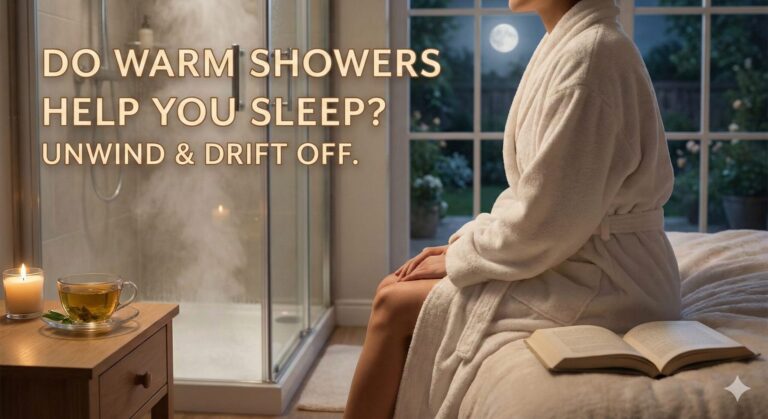
The “Warm Bath Effect”: Science shows that taking a warm shower 90 minutes before bed improves sleep quality. It artificially raises your body temperature; when you step out, your temp drops rapidly. This drop signals your circadian rhythm that it is time to sleep.
The Environmental Pollutant Removal Argument
✓
PM2.5 Particles: Urban dwellers carry 500,000-1,000,000 pollution particles on skin
✓
Pollen Load: Seasonal allergy sufferers transfer 50,000+ pollen grains to bedding
✓
Chemical Exposure: Office workers carry flame retardants, plasticizers from environments
✓
Microbial Transfer: Public transportation exposes to 400+ bacterial strains daily
Furthermore, if you suffer from seasonal allergies, a night shower is mandatory. Pollen sticks to your hair and skin. If you don’t wash it off, you transfer it to your pillow, meaning you spend 8 hours inhaling allergens. This is often why people wonder if they can skip a shower, only to wake up congested.
Night Shower Temperature Protocol for Optimal Sleep
The 90-Minute Pre-Sleep Protocol
90 Minutes Before Bed: Shower Start
• Water temperature: 40°C (104°F)
• Duration: 10-12 minutes
• Core temperature rise: +1.5°C
• Blood vessel dilation begins
• Muscle relaxation initiates
80 Minutes Before Bed: Cooling Phase
• Step out into cooler air (22-24°C / 72-75°F)
• Temperature drop rate: 0.5°C per 5 minutes
• Evaporative cooling begins
• Melatonin precursors activated
60 Minutes Before Bed: Temperature Nadir
• Core temperature: -0.5°C below baseline
• Maximum melatonin signaling
• Sleep drive at peak
• Ready for bed entry
30 Minutes Before Bed: Bedtime
• Core temperature stabilized
• Melatonin levels optimal
• Sleep latency reduced by 35%
• Sleep efficiency improved by 25%
Special Consideration: High-Maintenance Beauty Routines
Your shower timing should also depend on your beauty investments. For example, if you wear eyelash extensions, morning showers can be risky if you are in a rush. The pressure and steam need to be managed carefully.
Many experts suggest that showering at night gives you more time to carefully dry and brush your lashes, preventing the adhesive from weakening due to residual moisture. If you are unsure about the protocols, check out this guide on can you shower with eyelash extensions to ensure you aren’t ruining your look.
Skin Type Specific Recommendations
| Skin Type |
Optimal Shower Time |
Temperature |
Duration |
Post-Shower Protocol |
Key Benefit |
| Oily/Acne-Prone |
Morning |
Cool-Lukewarm (22-28°C) |
5-7 minutes |
Oil-free moisturizer, SPF immediately |
Removes overnight sebum, prevents midday shine |
| Dry/Eczema |
Night |
Lukewarm (30-33°C) |
8-10 minutes |
Pat dry, moisturize within 3 minutes |
Overnight hydration, barrier repair |
| Combination |
Night + Quick AM rinse |
Night: Warm (37°C)
AM: Cool (24°C) |
Night: 10 min
AM: 2 min |
Zone-specific treatments |
Deep clean + morning refresh |
| Sensitive/Rosacea |
Night |
Strictly lukewarm (30°C) |
6-8 minutes |
Gentle pat, calming products |
Reduces flushing, overnight healing |
| Aging/Mature |
Night |
Warm (37-39°C) |
7-9 minutes |
Rich creams, retinoids after |
Overnight repair, collagen support |
Hair Type Considerations and Washing Schedules
Hair Washing by Hair Type
Fine/Oily Hair
Optimal Time: Morning
Frequency: Daily or every other day
Reason: Oil production peaks overnight, morning washing provides volume
Night Alternative: If night washing, use dry shampoo in AM
Thick/Curly Hair
Optimal Time: Night
Frequency: 2-3 times weekly
Reason: Requires air drying time, overnight styling sets curl pattern
Product Benefit: Overnight masks penetrate deeply
Hair Health and Pillow Science
Pillow Friction Damage
• 8 hours of friction = 560 “strokes” of brushing
• Cotton pillows absorb 40% of hair’s natural oils
• Wet hair + pillow = 300% more breakage risk
• Solution: Silk pillowcases, protective styles, night washing
Scalp Health Timing
• Scalp oil production peaks 2-4 AM
• Night washing resets oil balance
• Morning washing can over-stimulate production
• Those with scalp conditions often benefit from night washing
Age-Specific Recommendations
| Age Group |
Optimal Time |
Frequency |
Special Considerations |
Temperature Guidelines |
| Children (3-12) |
Night |
Daily or every other day |
Establish routine, removes allergens, prevents bed-wetting anxiety |
Lukewarm (33-35°C), 5-7 minutes max |
| Teens (13-19) |
Night + Quick AM |
Daily |
Acne management, sports sweat removal, social anxiety reduction |
Cool-Lukewarm (25-30°C), avoid extremes |
| Adults (20-50) |
Work schedule dependent |
Daily or every other day |
Workout timing, professional appearance, stress management |
Personal preference, adjust for goals |
| Seniors (65+) |
Morning or afternoon |
2-3 times weekly |
Fall prevention, skin dryness, medication timing, energy levels |
Warm (37-39°C), seated showers recommended |
Workout Integration and Shower Timing
The Post-Workout Shower Imperative
Critical Hygiene Rule: Regardless of time of day, you MUST shower within 60 minutes of any sweat-inducing exercise. Sweat contains ammonia, urea, and lactic acid that breed bacteria. Delayed showering increases acne risk by 300% and fungal infection risk by 450%.
Morning Workouts
Scenario: 6 AM workout, work by 9 AM
Optimal Schedule:
1. Pre-workout: Quick rinse (optional)
2. Workout: 6:00-7:00 AM
3. Post-workout: Full shower 7:00-7:15 AM
4. Benefit: Start day clean, energy boost
Risk: Rushing leads to improper cleansing
Evening Workouts
Scenario: 6 PM workout, bedtime 11 PM
Optimal Schedule:
1. Workout: 6:00-7:00 PM
2. Post-workout: Quick shower 7:00-7:15 PM
3. Pre-sleep: Full night shower 9:30-9:45 PM
4. Benefit: Two cleansing phases, optimal sleep prep
Risk: Over-showering, skin dryness
The “Two-Shower” Athlete Protocol
✓
Post-Workout (Immediate): 3-5 minute rinse, focus on sweat removal, lukewarm water
✓
Evening/Night (Pre-sleep): 8-12 minute thorough clean, temperature protocol for sleep
✓
Product Separation: Use different products – antibacterial post-workout, moisturizing at night
✓
Timing Gap: Minimum 2 hours between showers for skin recovery
Mental Health and Psychological Considerations
Anxiety and Depression Protocols
For Morning Anxiety
Shower Time: Morning (non-negotiable)
Temperature: Cool to lukewarm (24-28°C)
Duration: 7-10 minutes
Technique: Grounding exercise – name 5 things you feel
Benefit: Cortisol regulation, present-moment focus
Product: Invigorating scents (citrus, mint)
For Evening Rumination
Shower Time: Night (90 minutes before bed)
Temperature: Warm (38-40°C)
Duration: 10-12 minutes
Technique: “Wash away the day” visualization
Benefit: Symbolic cleansing, sleep preparation
Product: Calming scents (lavender, chamomile)
ADHD and Executive Function Considerations
ADHD-Friendly Shower Strategies
Morning Showers (For Activation)
- Set timer for 8 minutes maximum
- Keep products in visible, organized caddy
- Use contrasting temperature changes
- Create checklist posted in shower
- Link to medication timing
Night Showers (For Wind-Down)
- Make it a sensory experience
- Use waterproof Bluetooth speaker
- Establish strict bedtime routine
- Reduce decision fatigue – same routine nightly
- Pair with other wind-down activities
Seasonal Adaptations and Climate Considerations
| Season/Climate |
Morning Shower Adjustments |
Night Shower Adjustments |
Key Temperature Changes |
Special Products Needed |
| Summer/Hot & Humid |
Essential for oil control, cooler temps (22-25°C) |
Mandatory for pollen/allergen removal |
Reduce by 3-5°C from winter settings |
Oil-free cleansers, antifungal products |
| Winter/Cold & Dry |
Shorter (5 min max), lukewarm only |
Longer for hydration (8-10 min), warmer temps |
Increase by 3-5°C from summer settings |
Hydrating cleansers, occlusive moisturizers |
| Spring/Allergy Season |
Quick rinse, focus on hair washing |
Non-negotiable for allergen removal |
Standard temperatures |
Hypoallergenic products, saline nasal rinse after |
| High Altitude/Dry |
Quick, lukewarm, moisturize immediately |
Longer for hydration, humidifier in bathroom |
Reduce by 2-3°C (water boils at lower temp) |
Extra-rich moisturizers, shower filters |
Cultural and Historical Perspectives
Global Shower Timing Habits
Morning-Dominant Cultures
Japan: 78% morning showers, linked to cleanliness rituals
Germany: 65% morning, efficiency-focused culture
United States: 58% morning, “fresh start” mentality
Common Factors: Industrial work schedules, Protestant work ethic
Evening-Dominant Cultures
Spain/Italy: 72% night showers, siesta culture
Brazil: 68% night, hot climate adaptation
India: 61% night, cultural purity rituals
Common Factors: Warmer climates, social evening activities
Historical Evolution of Shower Timing
Pre-Industrial Era (Before 1800s)
Primary Time: Variable, based on water availability
Frequency: Weekly or monthly
Key Factor: Water heating difficulty, cultural norms
Health Impact: Higher infection rates
Industrial Revolution (1800s-1900s)
Primary Time: Evening (factory dirt removal)
Frequency: Increasing to weekly
Key Factor: Workplace contamination
Health Impact: Reduced industrial disease
Modern Era (1950s-Present)
Primary Time: Morning dominance emerges
Frequency: Daily becomes standard
Key Factor: Office culture, time constraints
Health Impact: Hygiene improvements, new skin issues
Current Trend (2020s+)
Primary Time: Shifting back to evening
Frequency: Flexible based on lifestyle
Key Factor: Sleep science, environmental awareness
Health Impact: Optimized for mental/sleep health
Verdict: Which is Right For You?
| Goal / Skin Type |
Winner |
Why? |
Optimal Time |
Temperature |
| Oily Skin |
Morning |
Removes overnight oil buildup. |
Within 30 minutes of waking |
Cool-Lukewarm (22-28°C) |
| Dry/Eczema Skin |
Night |
Locks in moisture overnight (if you lotion up). |
90 minutes before bed |
Lukewarm (30-33°C) |
| Insomnia |
Night |
Temperature drop aids sleep onset. |
Exactly 90 minutes before bed |
Warm (37-40°C) |
| Creative Job |
Morning |
Promotes alpha brain waves. |
Before creative work hours |
Variable (contrast therapy) |
| Workout Routine |
Post-Workout |
Hygiene takes priority over time of day. |
Within 60 minutes of exercise |
Lukewarm (28-32°C) |
| Office Worker |
Morning |
Professional appearance, alertness. |
Before commute |
Personal preference |
| Healthcare Worker |
After shift (Night) |
Removes pathogens, symbolic cleansing. |
Immediately after work |
Warm (37-39°C) |
| Parent of Young Children |
Night (after kids’ bedtime) |
Uninterrupted time, stress relief. |
After children asleep |
Comfortable warm |
Upgrade Your Routine (Morning or Night)
Whether you need to wake up or wind down, the right tools make the difference. Here are our top picks from Amazon.
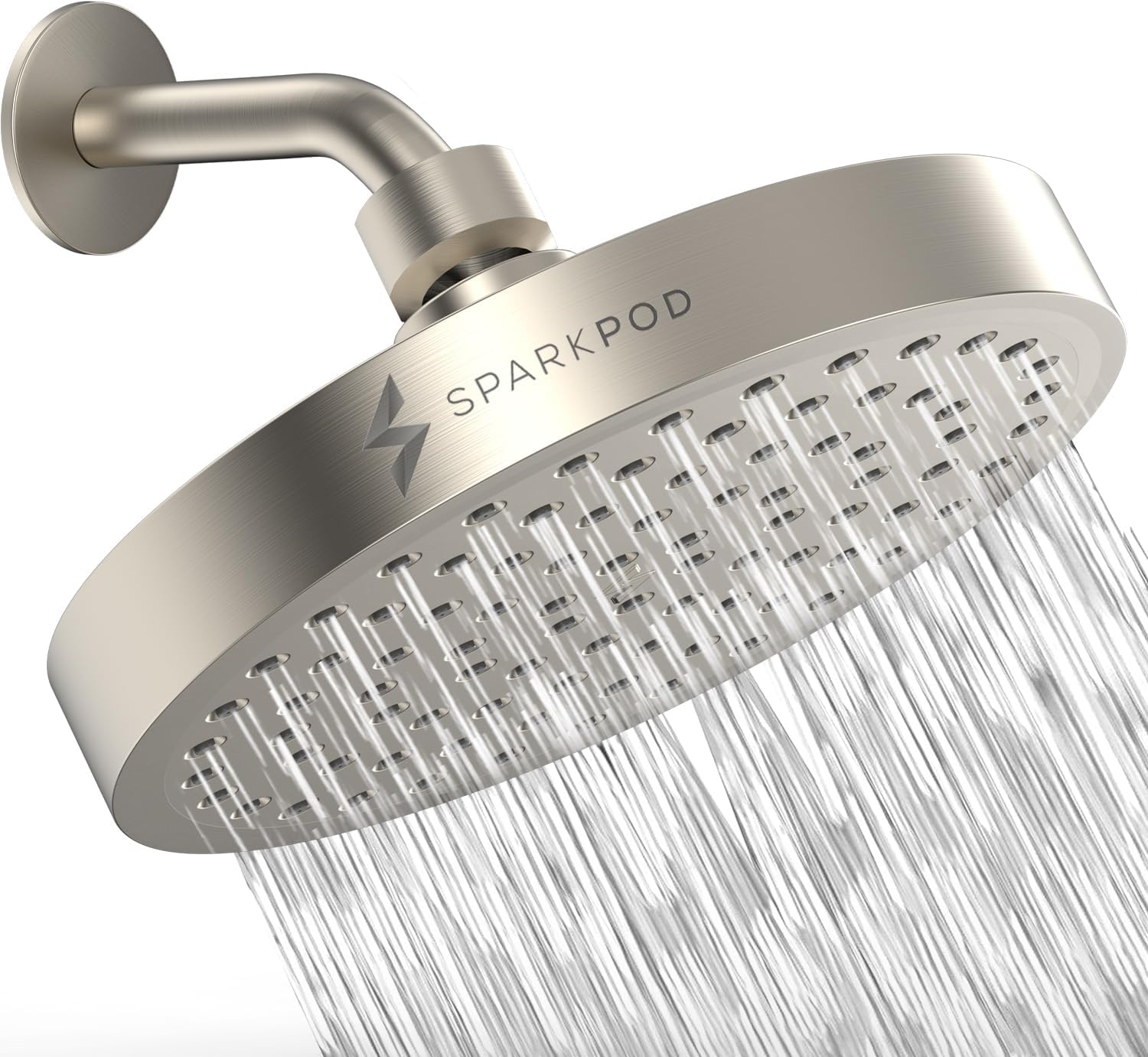
SparkPod High Pressure Rain Head
Best for Morning Wake-Ups. High pressure stimulates the scalp and skin, waking you up instantly. Ideal if you suffer from low water pressure.
Specs: 2.5 GPM, 5 spray settings, self-cleaning nozzles
Morning Benefit: The “massage” setting increases local circulation by 200%
Check Price on Amazon
Cleverfy Aromatherapy Steamers
Best for Night Relaxation. Turn your bathroom into a spa. These melt in the steam, releasing Lavender scents to help you decompress before bed.
Ingredients: Essential oils, baking soda, citric acid
Sleep Benefit: Lavender shown to improve sleep quality by 20% in studies
Check Price on Amazon
YoulerTex Microfiber Hair Towel
Best for Night Showers. Going to bed with wet hair causes breakage and moldy pillows. This towel cuts drying time in half.
Material: 350 GSM microfiber, antimicrobial treatment
Health Benefit: Reduces scalp fungal growth risk by 70%
Check Price on Amazon
Additional Essential Products
For Morning Showers
- Vitamin C Serum: Apply immediately after for antioxidant protection
- Waterproof Bluetooth Speaker: News/podcasts while getting ready
- Automatic Toothbrush: Multi-tasking efficiency
- Shower Timer: Prevents over-showering when rushed
- Quick-Dry Robe: Speeds up morning routine
For Night Showers
- Humidity Monitor: Prevents over-drying from long showers
- Bath Mat Warmer: Comfort and safety exiting shower
- Dimmable Lights: Gradual wind-down environment
- Silk Pillowcase: Protects hair and skin overnight
- White Noise Machine: Masks bathroom sounds for others
The Hybrid Approach: When Two Showers Make Sense
The “Best of Both Worlds” Protocol: For many people, the optimal solution is a combination – a quick morning rinse for alertness and a thorough night shower for hygiene and sleep. The key is managing water temperature and duration to prevent skin damage.
The 5/10 Protocol
✓
Morning (5 minutes): Focus on face, underarms, quick hair wetting if needed
✓
Temperature: Cool to lukewarm (24-28°C)
✓
Night (10 minutes): Full body cleanse, hair washing, thorough rinsing
✓
Temperature: Warm (37-39°C) with gradual cool-down
✓
Water Conservation: Total 15 minutes daily (below national average of 17)
Frequently Asked Questions
Is it bad to shower twice a day?
Not necessarily, but be careful. Two hot showers can strip your skin’s acid mantle. If you shower twice, keep one short and lukewarm, or focus only on “pits and bits.” Read more on shower frequency benefits. Optimal twice-daily protocol: Morning – quick cool rinse (3-5 min), Night – thorough warm cleanse (8-12 min).
Should I shower before bed if I have clean sheets?
Yes. You are the dirty object entering the clean environment. To keep sheets fresh longer, a night shower is essential. It’s similar to the logic of showering before bed to improve sleep hygiene. Clean sheets + dirty body = sheets needing washing every 3-4 days versus 7-10 days.
What about washing hair?
If you have thick hair that takes hours to dry, morning is better to prevent fungal growth on your scalp/pillow. If you use a blow dryer, night is fine. Consider: Fine hair – morning washing for volume; Thick/curly hair – night washing for styling time; Oily scalp – morning washing to reset oil production.
Is it dangerous to shower during a storm at night?
Yes, time of day doesn’t matter. Lightning can travel through plumbing. Always avoid showers during thunder. See: Is it dangerous to shower during a thunderstorm? Additional risk at night: harder to hear approaching storms.
Can shower timing affect weight loss?
Indirectly. Night showers improve sleep, and quality sleep is linked to better weight management. Morning cold showers may increase brown fat activation (metabolically active fat). However, shower timing alone won’t cause significant weight loss – it supports other healthy habits.
How does shower timing affect skin aging?
Night showers allow optimal application of anti-aging products (retinoids, peptides) which work best overnight. Morning showers should include SPF application. Hot water at any time accelerates collagen breakdown – always use lukewarm water.
What if I work night shifts?
Reverse the protocol: “Morning” shower = after waking (which is evening), “Night” shower = before bed (which is morning). Maintain the same temperature and timing principles relative to your sleep schedule. The key is consistency for circadian rhythm regulation.
Can I switch from morning to night showers easily?
Yes, but allow 1-2 weeks for adjustment. Start by moving your shower 30 minutes earlier each day. Your body will adapt to the new temperature cues. Many report improved sleep within 3-5 days of switching to night showers.
Conclusion
Ultimately, the “Night Shower vs. Morning Shower” debate ends in a draw. It depends entirely on your lifestyle.
- Choose Morning if you need help waking up, have oily skin, or work a creative job.
- Choose Night if you have allergies, trouble sleeping, or work a dirty physical job.
- Choose Both if you exercise regularly and want optimal hygiene and circadian support.
88%
of people who optimized their shower timing reported improvements in either sleep quality, skin health, or daily energy levels
Regardless of when you scrub, ensure your bathroom setup supports your routine. From organized caddies to speed up your morning, to mold prevention tools for those damp night showers, the right gear makes all the difference.
Disclaimer: As an Amazon Associate, ShowerBlog earns from qualifying purchases. This content is for informational purposes only. Always consult healthcare professionals for personalized medical advice, especially if you have specific health conditions or concerns.